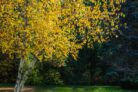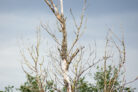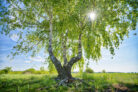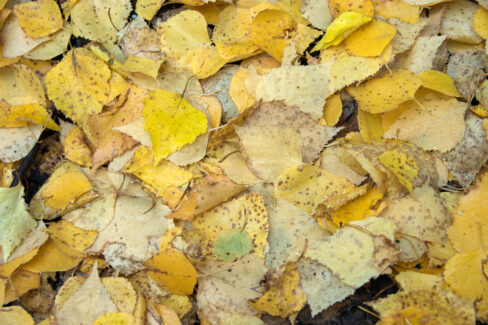
Normally, a birch tree should keep its lush green leaves all summer long. That’s just nature doing its thing. However, if you start noticing leaf after leaf turning yellow and drifting to the ground, it’s definitely not business as usual. Your birch is struggling, and dropping leaves is its way of sending out an SOS.
Check for These Common Culprits
There are three main reasons why your birch might be thinning out, and they couldn’t be more different from one another:
- Long-term drought
- Major lack of sunlight
- Various diseases
Dealing with Long-Term Drought
Birch trees are actually pretty resilient; they can handle short bursts of dry weather or extra-wet soil. But they can’t handle those conditions becoming the “new normal.” When a drought drags on, the tree has a hard time staying hydrated. This is because birches are shallow-rooted—they don’t send roots deep into the earth. Instead, they rely on surface water found in the top layers of soil.
Experts are concerned that climate change is bringing more frequent extremes of wet and dry to our backyards. You might see black spots at the base of the trunk, and some pros are even talking about “birch dieback.” Don’t wait until your tree develops yellow leaves and starts shedding. Often, the solution is as simple as grabbing the garden hose and giving it a good soak before things get dire.
Not Enough Light
Birches are total sun-worshippers. They need that life-giving light to fuel their signature fast growth. While they might tolerate a bit of partial shade, they really don’t play well with full shade. If they aren’t getting enough sun, the leaves will drop, and the canopy will start looking sparse and “holey.” If your tree is struggling for light, here’s what you can do:
- Move a potted birch to a sunnier spot.
- Thin out the birch’s branches to let light through.
- Prune back other trees that might be casting too much shade.
- Transplant young birches to a brighter area.
- As a last resort for mature trees in permanent shade, you may need to cut it down.
- Plant a new sapling in a more suitable location.
Various Diseases and Pests
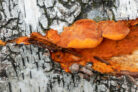
Birch trees can be susceptible to fungal infections and the occasional pest invasion. Usually, the tree can handle these on its own, and dropping leaves early is actually a clever way for the tree to regulate itself and stop the spread. Take a closer look at the bark and leaves to see what you’re dealing with and treat it if possible. Pro tip: Rake up those fallen leaves and toss them in the trash (not the compost!) to prevent any fungus from sticking around.
Quick Note:
Sometimes, for no apparent reason, a birch will just decide to drop its leaves at the very end of summer. If there’s no obvious sign of disease, don’t panic! It doesn’t seem to hurt the tree, and it’ll usually sprout back just as healthy the following spring.