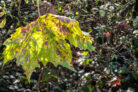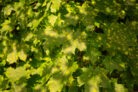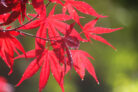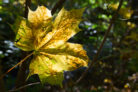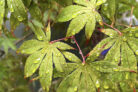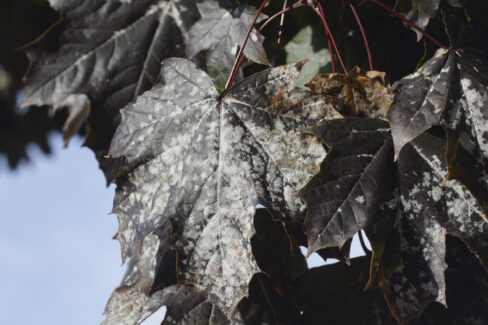
Every year, we gardeners can’t wait for that spectacular fall foliage show maples are famous for. But what if your tree is looking bare and skeletal long before autumn even arrives? If you’re thinking, “Something is definitely wrong here,” you’re absolutely right. It’s time to put on your detective hat and figure out what’s going on before it’s too late.
Common Culprits
- Diseases and pests
- Sunburn (Leaf Scorch)
- Drought stress
Diseases & Pests
Keep an eye out for these common maple troublemakers:
- Powdery Mildew
- Tar Spot
- Coral Spot (Nectria Cinnabarina)
- Aphids
If you’re dealing with aphids or mildew, you don’t always need harsh chemicals. Two tried-and-true DIY remedies are a simple insecticidal soap solution or a heavily diluted fresh milk spray. For Tar Spot or Coral Spot, your best bet is pruning away affected branches and being diligent about raking up and disposing of fallen leaves.
Pro Tip:
If your maple is losing leaves only on certain branches—and those branches look wilted or limp—you might be dealing with Verticillium wilt. Unfortunately, this soil-borne fungus is incurable and highly contagious. If your tree has it, the best thing to do is remove it entirely to protect the rest of your garden.
Drought Stress
A lot of folks assume that because maples can grow so large, they’re experts at finding their own water. But during a dry spell, they really struggle. Maples are shallow-rooted, meaning they can’t reach the deep-ground moisture that other trees can. If you have a maple in a container, it’ll dry out even faster.
The first signs of thirst are yellowing leaves, which eventually turn brown and drop off. If your tree is parched, give it a deep soak immediately:
- In the garden: Let the hose run at the base of the tree for at least 20 minutes.
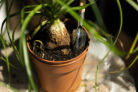
- For potted maples: Water thoroughly until you see it running out of the drainage holes.
Sunburn (Leaf Scorch)
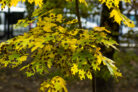
We all know maples love a sunny spot, but sometimes too much of a good thing leads to leaf scorch. The leaves will start to wilt, dry out, and fall off. Early warning signs include yellow or light brown spots with a darker border, or crispy brown edges and tips.
If your maple is in a pot, move it to a spot that’s protected from that intense midday sun. For a tree planted in the ground, try to provide some temporary shade. If the tree is less than five years old, you might want to transplant it to a better location once fall rolls around.