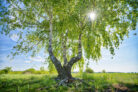
Caring for a birch tree isn’t always a walk in the park. When diseases start to take hold, you can’t just stand by and watch the damage happen. While birch trees actually have pretty decent self-healing powers, you can’t always bet the farm on them bouncing back from every single ailment.
Common Birch Tree Issues
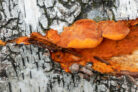
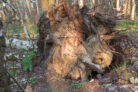
Pests like aphids and thrips can definitely weaken your tree, though more often than not, the birch manages to handle these uninvited guests on its own. However, birches are quite susceptible to moss and fungal infections, especially if the tree is already stressed and has open “wounds” that act as an entry point for spores. It’s tough to fight off parasitic fungi like the Birch Polypore; the best you can do is remove the fruiting body as soon as you spot it. A tree suffering from fungus can usually live for many more years, but keep a close eye on it. If the wood becomes heavily decayed, you’ll need to cut it down before it falls and causes any damage.
Quick Note:
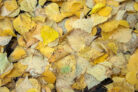
Oftentimes, a sick birch will develop yellow leaves and drop them prematurely. This is actually a self-regulation tactic, so it’s usually not as dire as it looks!
Dangerous vs. Minor Diseases
Anthracnose is one of the “big bads” for birch trees and can actually be fatal. Keep an eye out for these symptoms:
- Wilting leaves
- Wilting flowers during the blooming season
You won’t fix this with sprays or chemicals. Instead, you’ve got to grab your pruning shears early. The sooner and more aggressively you cut out the affected shoots, the better the tree’s chances of a full recovery.
On the flip side, diseases like rust and powdery mildew are usually pretty mild. They don’t typically cause serious harm, so you generally don’t need to intervene.
The Mystery of “Birch Dieback”
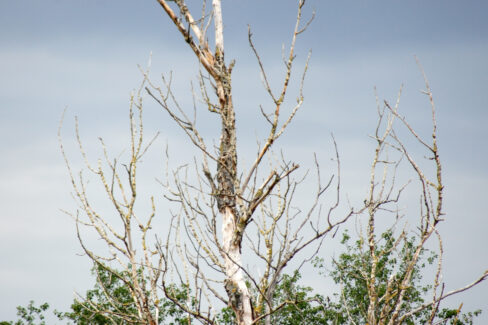
In recent years, gardeners have noticed a troubling trend: perfectly healthy, vibrant birches suddenly weakening and dying off. We’re not talking about old trees here, but specimens in their prime. You’ll see a black discharge at the base of the trunk that leaves dark stains behind. For a long time, experts guessed at the cause, but now it’s looking like climate change is the culprit. Extreme swings between long droughts and heavy rainy periods are tough on birches—they just don’t handle those extremes well.
Pro Tip:
Give your birch a spot with well-draining soil and consider adding a drainage layer when planting. If the weather gets bone-dry for a long stretch, grab the garden hose! Keeping the moisture levels balanced is your best bet for preventing dieback.