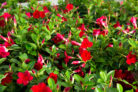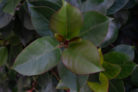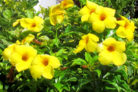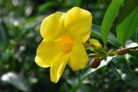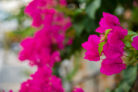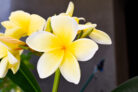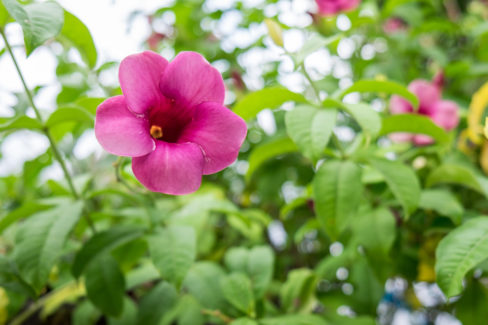
While we all love a Dipladenia (Mandevilla) for those stunning, showy blooms, the plant can’t survive without its leaves. That’s why seeing your plant drop its foliage is a big deal that you’ll want to investigate right away.
The Root of the Problem
There are a few different reasons why your Dipladenia might be losing its leaves:
- Natural leaf renewal
- Poor growing conditions
- Pests and diseases
Usually, the first red flag is when the leaves start turning yellow. Once they yellow, they tend to drop off quickly—and before you know it, your Mandevilla is looking pretty bare.
Natural Leaf Renewal
Since Mandevilla is an evergreen, it doesn’t do a big “autumn shed” like deciduous trees. However, it still needs to refresh its wardrobe! Old leaves eventually stop doing their job efficiently, so the plant will naturally drop a few here and there. As long as the plant is growing new leaves to replace the old ones and everything looks balanced, this is totally normal. No need to panic!
Subpar Growing Conditions
Unlike natural shedding, bad growing conditions on your balcony or patio can seriously hurt your Mandevilla. If things get bad enough, you might even lose the plant entirely.
Soggy Soil (Waterlogging)
If your soil is constantly soaked, you’ve got a “wet feet” problem. Whether it’s from heavy rain or overzealous watering, standing water is the biggest threat to a Mandevilla because it leads to root rot. Once the roots rot, the plant can’t take up nutrients or water anymore, and it’s game over.
The only way to save a waterlogged plant is to get it out of that wet soil immediately. Check the roots—if there are still some healthy ones left, trim away the rotten mushy bits and repot it in fresh, well-draining soil. Keep it on the drier side for a while and, with a little luck, it’ll bounce back.
Not Enough Light
If your Dipladenia is stuck in a dark corner, it’s going to drop its leaves in protest. To fix this, move it to a much brighter spot. Just a heads-up: don’t move it directly from shade into scorching afternoon sun all at once, or the leaves might get sunburned. Give it a few days to acclimate.
Pests and Diseases
Diseases and pests are also common culprits for leaf loss. If you notice any creepy crawlies or strange spots, you should:
- Isolate the plant (so it doesn’t infect your other garden favorites)
- Give it a good pruning
- Start a treatment specific to whatever is bugging it