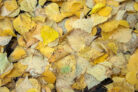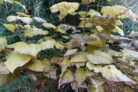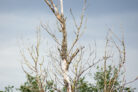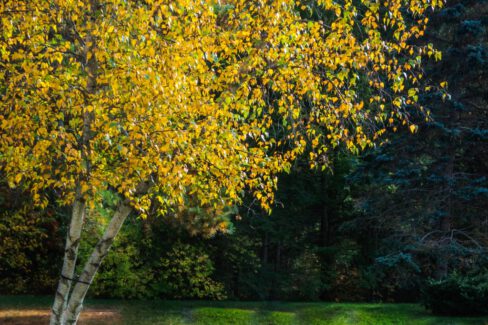
As fall approaches, it’s totally normal for your birch tree to start showing off those beautiful yellow leaves. Sometimes it happens a bit early, and usually, you can just kick back in your garden chair and enjoy the view. But, if those yellow leaves start dropping in massive piles way ahead of schedule, it’s time to get up and give your tree a little TLC.
Common Culprits for Yellow Leaves
The list of reasons why your birch might be turning yellow is actually pretty short, which makes it easy to narrow things down. However, identifying the problem is only half the battle! You’ll want to jump into action quickly, because if left unchecked, these issues can lead to bigger headaches down the road.
- Not enough sunlight
- Drought stress
- Diseases
Not Enough Light
Birch trees don’t just tolerate the sun; they absolutely crave it. If your tree is stuck in too much shade, it won’t be able to soak up enough sunlight to keep all its foliage green until the end of the season. If things are looking a bit dark, try pruning your tree in the fall to let light penetrate the entire canopy. You might also need to trim back neighboring trees that are hogging the sun. If the location is just plain bad, you might consider felling the tree and starting fresh with a new sapling in a sunnier spot.
If you’re growing a birch in a pot, that need for light is just as strong. Luckily, since it’s mobile, all you have to do is find it a brighter home on your patio or deck!
Drought Stress
Here’s a quick pro-tip: all birches are shallow-rooted. This means their roots don’t dive deep into the earth; instead, they spread out wide near the surface. If the rain stops for a few weeks and you aren’t out there with the garden hose, they’re going to get thirsty fast. The fix is simple: keep an eye on the weather and make sure to give your birch some extra water during those dry spells.
Diseases
If you’ve ruled out light and water issues, your tree is likely battling a disease or a pest infestation. Turning yellow and dropping leaves is actually the tree’s way of protecting itself—it pulls the chlorophyll back and sheds the “problem” foliage. If this happens, be sure to rake up those fallen leaves and toss them in the trash (not the compost!) to make sure the issue doesn’t come back to haunt your garden next year.