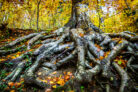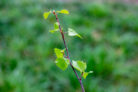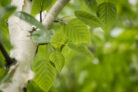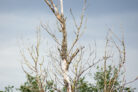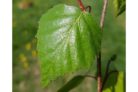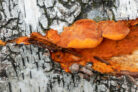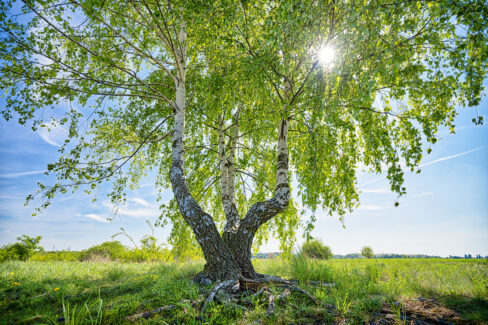
As a “pioneer tree,” the birch is hardwired to grow fast. In the wild, it’s all about a race to claim open land before other trees can even get their roots in the ground. Even in your backyard—where it doesn’t really have any competition—the birch isn’t going to change its speedy ways!
Growth starts with a sprint
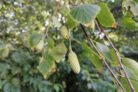
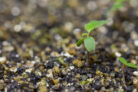
In the fall, birch trees produce tons of tiny, winged nutlets that catch the wind and travel far and wide. Once those seeds hit a patch of open soil, the race is on. They germinate at record speed, usually taking no more than 14 days to sprout.
The early years: A growth spurt
Birch trees put on most of their height early on to establish themselves as strong, sturdy trees. Because they are shallow-rooted, growing quickly helps them stand their ground against heavy winds and bounce back from natural challenges like diseases or pests. Here’s a quick look at the numbers:
- In the first five years, you can expect about 25 feet (8 m) of growth.
- Under perfect conditions, they can even shoot up to nearly 50 feet (15 m).
- A fully mature birch can easily reach 100 feet (30 m) in height.
- Depending on the species, the canopy can grow from a single trunk or multiple stems.
Give them some breathing room
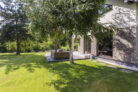
It’s easy to find a spot for a cute little sapling, but many gardeners forget just how much space that tree will need down the road. With fast-growing birches, “down the road” happens sooner than you might think! Before you know it, those roots can start lifting up patio pavers, casting unwanted shade, or dropping leaves into the neighbor’s yard. Even worse? The yellow pollen dust during allergy season. When planting, make sure to leave plenty of distance between the tree and your walkways, walls, other shallow-rooted plants, and property lines.
Pro Tip:
If you’re realizing your yard might be too small for a massive birch, don’t worry! You can opt for smaller varieties, like the Weeping Birch, or even grow one in a large container.
Keeping your birch small
Birch trees are actually great candidates for pot culture, which naturally stunts their growth. If your potted birch starts getting a bit too ambitious and reaches for the balcony ceiling, you can keep it in check by pruning it. The best time for a trim is in the fall. Just a heads-up: don’t trim the roots when repotting; simply keeping the pot size limited is usually enough to control its size.