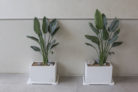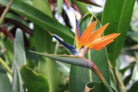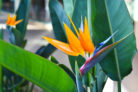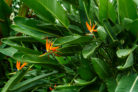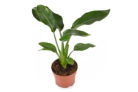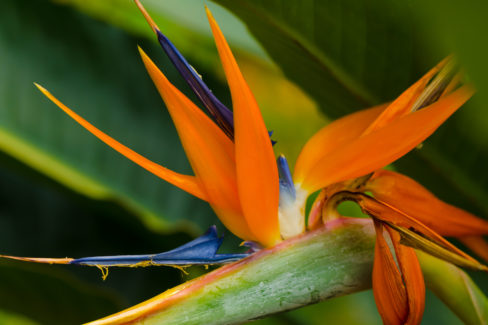
Looking for a total showstopper for your sunroom, patio, or spacious living room? Meet the Bird of Paradise. This exotic beauty loves a bright, warm spot and is surprisingly low-maintenance. When she’s happy, she’ll reward you with stunning, long-lasting blooms that look just like a tropical bird in flight—which is exactly how she earned her famous nickname.
What It Symbolizes
Just like red roses scream “romance” and sunflowers radiate “happiness,” the Strelitzia has a language all its own. Thanks to those one-of-a-kind flowers, this plant represents extravagance and the exotic. Gifting a Bird of Paradise is a huge compliment—it tells the recipient you think they are truly unique and extraordinary.
A Little History
This plant has some royal roots! Back in 1773, a European botanist named it in honor of the British Queen Sophie Charlotte. He used the name of her birthplace, Mecklenburg-Strelitz, as a special tribute to her.
Those Gorgeous Blooms
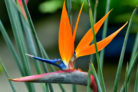
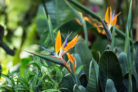
The flowers are the real stars of the show here. Whether they’re in a vase or growing in a pot on your deck, they bring an instant tropical vibe to any space. Here’s what makes them so special:
- The flowers emerge from a sturdy, dark green bract.
- They can grow up to 8 inches long.
- Their funky shape looks just like the crest of a cockatoo.
- They boast a vibrant mix of colors, from bright yellow and orange-red to deep, intense blue.
- They stay fresh for a remarkably long time.
- Pro tip: Once the first flower fades, you can carefully nick the green “beak” to find a second, slightly smaller bloom hiding inside!
Care Tips
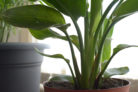
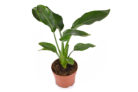
To keep your Bird of Paradise thriving, you only need to follow a few simple rules. Since these are usually grown in containers, you’ll want to find a bright, warm spot in your home or sunroom. During the summer, they love hanging out on the patio.
When it comes to watering, balance is key. You never want the soil to dry out completely, but “wet feet” (standing water) is a big no-no. Use a well-draining potting mix, water moderately when the top inch of soil feels dry, and always empty any extra water from the saucer.
Keep things looking tidy by trimming off dry leaves and spent blooms. During the winter months, move your plant to a slightly cooler spot and cut back on the watering. This “winter rest” is essential—it gives the plant the energy it needs to burst back into bloom next season!