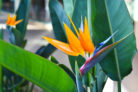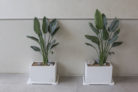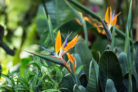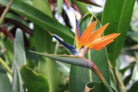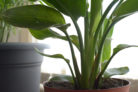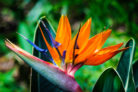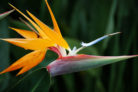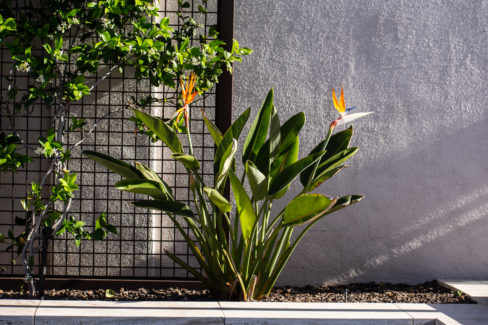
Originally hailing from South Africa and famously found all over the Canary Islands, the Bird of Paradise (Strelitzia) is a true showstopper. Its unique blooms look just like the crest of a cockatoo, which is exactly how it earned its tropical nickname. If you’re patient, your plant will usually start showing off those iconic flowers around its fourth birthday, bringing those vacation vibes right into your living room for weeks at a time.
Finding the Perfect Spot for Your Bird of Paradise
First things first: these beauties are super sensitive to the cold, so planting them directly in the ground is a no-go in our climate. You’ll want to keep them as houseplants year-round or let them enjoy the fresh air in a pot on the patio during the summer. To keep your Bird of Paradise happy, look for a spot that checks these boxes:
- Indoors, pick a bright spot with several hours of direct sunlight. (Pro tip: put the pot on a rolling plant stand so you can easily move it to follow the sun!)
- During the dark winter months, a grow light can help provide that extra boost of “sunshine.”
- If they’re heading outside to the patio or balcony, the sunnier, the better—they can even handle that intense midday heat.
- They love high humidity.
- Aim for a temperature range between 50°F and 77°F (10–25°C).
If you’re planning to move your potted Strelitzia outside for the summer, wait until the second half of May. By then, nighttime temps usually stay safely above 50°F. Your plant can hang out outdoors until late September, but as soon as the thermometer dips below 50°F at night, it’s time to bring it back inside. For the winter, find a bright, airy spot that stays cool—ideally no warmer than 60°F. Even if your plant stays indoors all year, it still needs this cooler “rest period” to gather the energy it needs to bloom again. To keep the humidity up, you can use a humidifier, mist the leaves regularly, or set a pebble tray with water nearby.
The Best Soil Mix
The good news is that Bird of Paradise plants aren’t too picky about their soil. A high-quality potting mix for container plants works great, as long as it:
- Drains well (this is key!)
- Has a sturdy base of loam and grit/gravel
- Is moderately rich in nutrients
- Has a nice, loose consistency
- Is mixed with a bit of lava granulate or perlite for extra aeration
- Is peat-free if possible—peat tends to compact quickly, which can make it hard for those thick roots to spread out