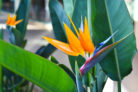
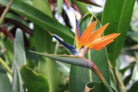
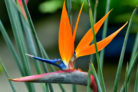
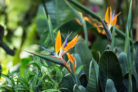
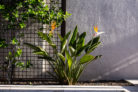
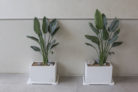
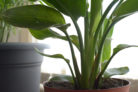
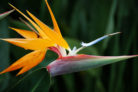
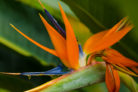
Bird of Paradise plants (Strelitzia) are absolute showstoppers, whether they’re brightening up your living room or adding a tropical vibe to your patio. When these beauties are happy, their iconic blooms can last for weeks. However, they can be a bit picky—if their growing conditions aren’t just right, they can run into trouble. Most issues come down to simple care mistakes, so if your plant starts looking a little sad, you’ve got to act fast!
Common Problems to Watch For
Generally speaking, Bird of Paradise plants are pretty hardy. But even the healthiest plant can have a bad day. The most common issues you’ll run into are:
- Root rot
- Scale insects and spider mites
- Gray mold (Botrytis)
Dealing with Root Rot
Because of those giant leaves, Strelitzias “sweat” out a lot of moisture, meaning they need a good amount of water. But here’s the catch: they hate “wet feet.” If the soil stays soggy, fungi move in and cause root rot. You’ll know you have a problem if the soil starts smelling funky or swampy. If that happens, you need to repot immediately. Gently shake off the old soil and trim away any mushy, damaged roots. To prevent this from happening again, make sure your new pot has plenty of drainage holes and add a layer of pebbles or terracotta shards at the bottom.
Dealing with Pests
During the winter, when our indoor air gets super dry, scale insects love to move in under the leaves. These little guys look like tiny green or brown bumps. They suck the sap right out of the plant, which eventually turns the leaves brown. If you catch them early, you can scrape them off with a dull knife or a soft brush. A mix of water and a little horticultural oil also works wonders—the oil suffocates both the adults and the larvae. If the infestation has really taken over, you might need to grab an organic pesticide from your local garden center. Sprays based on neem or canola oil are great because they also knock out spider mites, aphids, and whiteflies.
The best offense is a good defense! Keep your plant in a bright, warm spot, keep the humidity up, and don’t overwater.
Gray Mold
If you notice dark spots on the leaves that eventually turn into a fuzzy, gray coating, you’re likely dealing with gray mold. If you ignore it, it can actually kill the plant, so don’t wait! Cut off any infected leaves immediately and toss them in the trash (don’t compost them!). Be careful not to let the moldy bits touch your healthy plants, as the spores spread like wildfire. The best way to keep gray mold at bay is to make sure your plants have plenty of fresh air and good circulation.