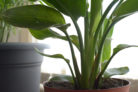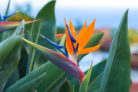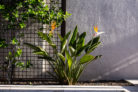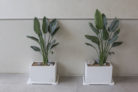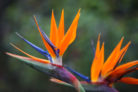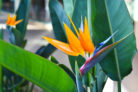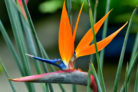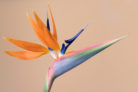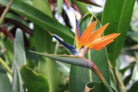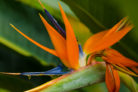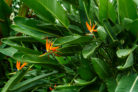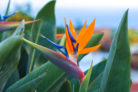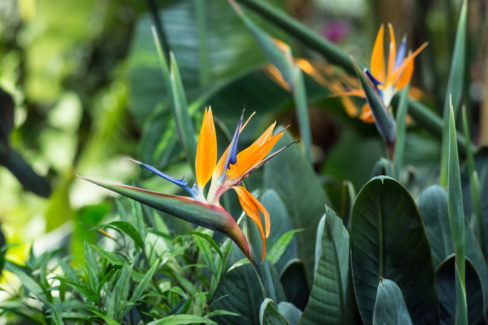
Strelitzias (or Bird of Paradise plants, as most of us call them) are absolute rockstars in the plant world. Whether you’re growing them as a statement indoor plant or letting them soak up the sun in a pot on your patio, they’re surprisingly tough. The best part? They don’t ask for much, yet they reward you with those incredible blooms that look just like a tropical bird’s head. While they’re pretty low-maintenance, they do need a little “grooming” every now and then to stay looking their best.
When should you prune a Bird of Paradise?
The good news is you don’t really need to “prune” a Strelitzia in the traditional sense. Instead, you just need to tidy it up occasionally. Here’s what that looks like:
- Remove old, brown leaves (it’s best to wait until they are completely dry).
- Either give them a firm tug to pull them from the base or cut them off as low as possible.
- Don’t leave any ugly stubs behind!
- Remove spent flowers the same way.
- If you spot leaves with fungus or pests, cut them off as close to the base as you can.
Dealing with old leaves
During the growing season, your Strelitzia is busy pumping out new foliage and flowers. Naturally, the older leaves from previous years will eventually turn brown. Leaving this dead material on the plant isn’t just an eyesore; it can actually weaken the plant and create a breeding ground for bacteria and fungi. To keep things healthy, pull those old leaves out with a quick snap or snip them off right at the bottom. Clean cuts (and no leftover stubs) are the way to go.
Deadheading old blooms
After a few weeks of putting on a show, those gorgeous flowers will eventually fade. You’ll want to remove them just like the leaves. This prevents the plant from putting energy into seed production, which can be a real drain on its strength. And hey, if your plant is blooming like crazy, don’t be afraid to cut a few stems for a vase! Just make sure to cut the stems deep down at the base so the plant stays looking tidy.
What about brown leaves?
Usually, a brown leaf is just an old leaf reaching the end of its life cycle—totally normal! However, brown leaves can sometimes be a red flag for other issues. If your plant is too dry, it’ll start to crisp up; if it’s sitting in water, you’re looking at root rot. When roots rot, the plant can’t take up nutrients, and the leaves turn brown as a result. If that’s the case, simply cutting the leaves won’t help—you’ll need to repot it in fresh, well-draining soil ASAP. Keep an eye out for pests like scale insects, too. They love to suck the sap out of the leaves, causing them to brown. If you see any uninvited guests, it’s time to take action!