Bloody Dock (also known as Red-Veined Sorrel) is a member of the buckwheat family that’s quickly becoming a favorite for home gardeners. It’s a close relative of the common garden sorrel we all know, but it has a much milder flavor. The best part? If you pick the right spot for it, this plant is incredibly low-maintenance.
What It Looks Like
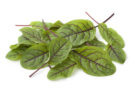
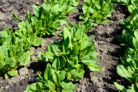
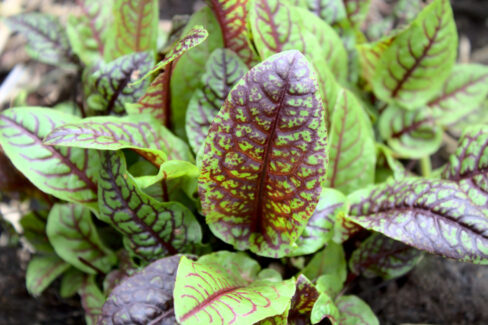
At first glance, Bloody Dock looks a lot like common sorrel, but it stands much taller, reaching up to 24 inches. The real showstoppers are the oval-shaped leaves, which grow up to 5.5 inches long and feature striking deep-red veins. Even the stems are a vibrant red! Because it’s so pretty, many people grow it as an ornamental plant near ponds or in patio containers rather than just in the veggie patch.
Location and Soil
Bloody Dock loves the sun, though it can handle a bit of partial shade. The most important thing to remember is that this plant is a water-lover. It thrives near garden ponds or stream beds where the soil stays consistently damp. If you’re growing it in a herb bed or a pot, you’ll need to be diligent with the watering can—on sunny days, it’ll likely need a drink every single day.
When it comes to soil, Bloody Dock isn’t too picky, but it does have a few preferences:
- Sandy or loamy texture
- Rich in nutrients
- Slightly acidic
- Low lime content
- Always consistently moist
Winter Hardiness
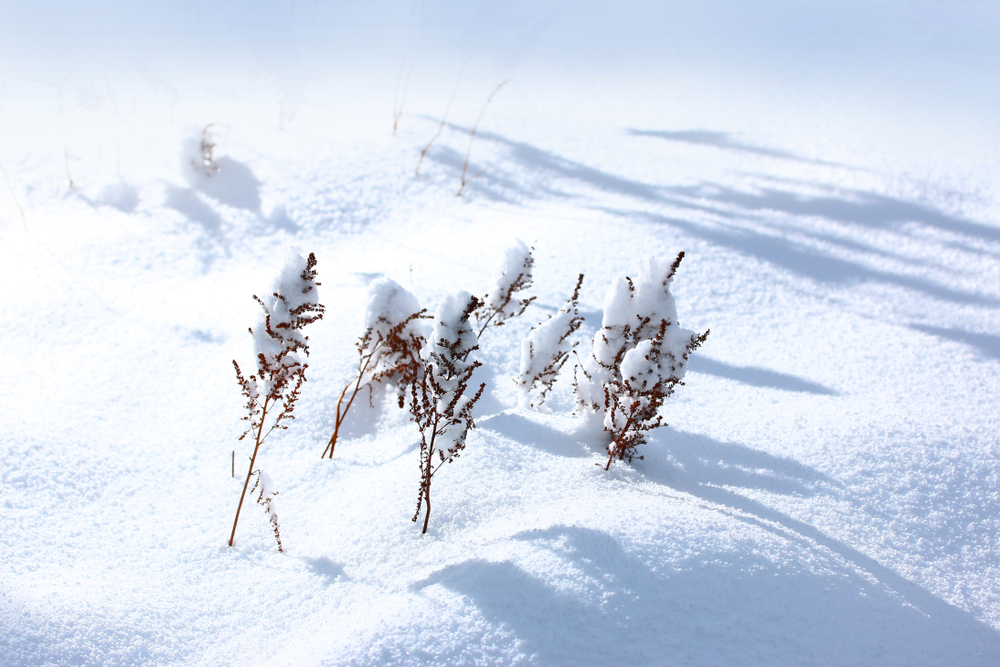
This plant is a tough cookie! It’s fully winter-hardy and can handle temperatures down to -4°F without needing any extra protection in the ground. That said, if you’ve had a particularly long, brutal winter, your Bloody Dock will definitely appreciate a little extra organic fertilizer in the spring to help it bounce back with lush new growth.
However, if you’re growing it in containers, you’ve got to be more careful. Pots don’t offer much insulation against hard freezes, and if the root ball freezes solid, those delicate roots will get damaged and the plant won’t return. To keep it safe, wrap your pots in bubble wrap or burlap and cover the soil surface with a thick layer of leaves or mulch.
How to Use It
The young, tender leaves are fantastic for tossing into salads or adding to savory pancakes. You can also lightly sauté them just like spinach. A quick word of caution, though: like its relatives, Bloody Dock contains oxalic acid. It’s best enjoyed in smaller portions, as eating huge amounts can be tough on the kidneys.
And hey, if you aren’t interested in eating it, it still makes a gorgeous ornamental perennial. Those red-veined leaves are a total head-turner wherever you plant them!