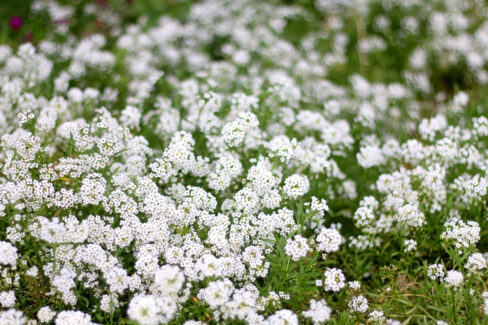
Candytuft (Iberis) belongs to the large Brassicaceae family, with about forty different species known today. While these beauties originally hail from Southern Europe, they’ve made themselves right at home across the rest of the continent. The best part? The Evergreen Candytuft is quite hardy in our neck of the woods.
Can Candytuft Handle the Cold?
With its tiny leaves, dense growth habit, and low profile topped with a sea of white blossoms, Candytuft is a real garden charmer. Most varieties are hardy down to about 5°F (-15°C), which means they’ll come back year after year. However, there are a few situations where you’ll want to give your plants a little extra TLC during the winter:
- If you sowed seeds in the fall and the sprouts are still delicate.
- If your flowers are sitting in a spot exposed to harsh, biting winds.
- If the forecast calls for a deep freeze below 5°F.
- If you’ve just planted fresh cuttings.
- If you’re growing your Candytuft in containers.
Getting Your Plants Ready for Winter
Once the blooming season wraps up in the fall, it’s time for a little maintenance. You’ll want to prune them back to about 4 inches (10 cm) to keep the plant from getting too woody or “leggy.” Be sure to clear away any spent blooms or wilted bits. Pro tip: Always use sharp, clean tools to prevent any fungal issues from moving in. Just be careful not to cut back into the old, hard wood!
After pruning, give your Candytuft a light “blanket.” Pine or spruce branches work great because, unlike heavy compost or soggy leaves, they let light filter through. Since Evergreen Candytuft stays green all year, it still needs some sunlight even in the dead of winter.
If you’re growing Candytuft in pots on your balcony or patio, follow the same pruning routine and then tuck the pots close to the house for protection against wind and rain. To guard against ground frost, slide a piece of wood or Styrofoam under the pot and wrap the container in burlap or bubble wrap. Since Candytuft is a classic rock garden plant that prefers dry feet, only give it a tiny bit of water on frost-free days.
As winter winds down—usually around late February or early March—you can remove the winter protection. Toss a little compost around the base to give it a boost for the new growing season. A quick “cleanup” trim to remove any frost-damaged or dried-out stems, and your Candytuft will be ready to put on a spectacular show once again!