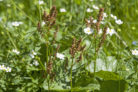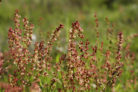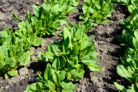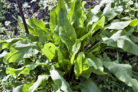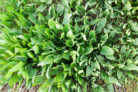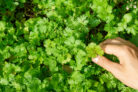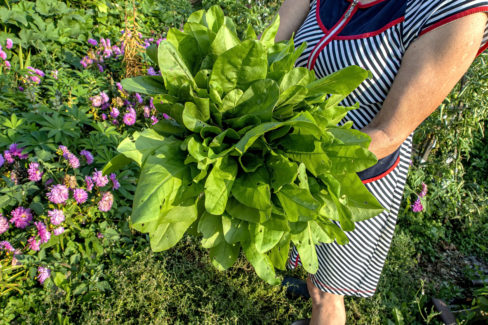
Perennial sorrel is a long-time favorite in the buckwheat family and a total classic when it comes to wild greens. It’s got a surprisingly long growing season, too! This isn’t just some tiny weed; with a spread of 14 to 16 inches and a height ranging anywhere from 1.5 to over 3 feet, it definitely makes a statement in the garden.
When to Plant Your Sorrel
If you’re looking to add sorrel to your garden—whether as a pretty ornamental or for your next salad—you’ve got some options for planting time. You can get them in the ground in either the spring or the fall. The main difference is just how long you’ll have to wait for harvest time. If you plant in the fall, you’ll need to wait until the following year to start picking. If you’re starting from scratch, you can sow seeds directly outdoors starting in March or April. Since sorrel is a tough perennial, it isn’t bothered by chilly winters.
Sorrel’s Blooming Season
The flowering period for sorrel runs all the way from April through September. If you’re curious about eating the flowers, stick to the early blooms in April and May. As the season goes on, the plant produces more oxalic acid, which can be tough on your system if you consume too much.
The Sorrel Harvest Calendar
The “best” time to harvest really depends on which part of the plant you’re after. You can snack on the flowers in April and May. For the best flavor, go for the young, tender leaves, which are prime for picking from March all the way through October. If you like using the seeds in your cooking, plan to collect those between August and October. And if it’s the roots you’re after, September is your best bet.
When to Give Your Sorrel a Trim
If you don’t want sorrel taking over your entire yard, I highly recommend pruning it back before it finishes blooming. The plant drops its seeds from August to October, so grab your garden shears before then to prevent uncontrolled spreading.
Pests to Watch Out For
Keep an eye out for the sorrel leaf beetle—you’ll recognize them by their metallic gold-green or bluish bodies. They love to lay their eggs on the underside of the leaves, and once those larvae hatch, they’ll munch right through your greens. Always give your leaves a quick inspection for eggs before you harvest them for cooking. A single female can lay up to 45 eggs! And, of course, keep an eye out for slugs, as they find sorrel just as tasty as we do.