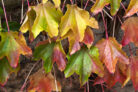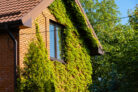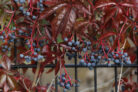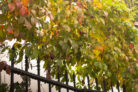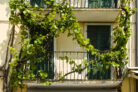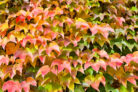
Virginia Creeper and Boston Ivy are absolute favorites for American gardeners looking to add some serious charm to their backyards. Whether you’re looking to dress up a pergola or create that classic “ivy-covered wall” look on your house or garden fence, these vines are the way to go. But here’s the thing: depending on which variety you pick, your plant might need a little extra help getting off the ground.
Not All Virginia Creepers Are Self-Climbers
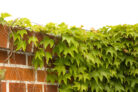
While we often think of Virginia Creeper as a “set it and forget it” climbing plant, not every variety is a natural-born wall-crawler. Most people assume they all have those tiny suction-cup feet (called adhesive discs) that let them stick to brick, but that’s not always the case.
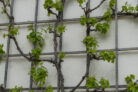
The varieties without those discs are going to need a trellis or some kind of support system to head skyward. Even for the self-climbing types, I actually recommend using a small support structure anyway. It makes their job easier and creates a bit of breathing room between the plant and your siding, which prevents those sticky discs from digging too deep into your masonry.
The Most Popular Self-Climbers
If you’re looking for a vine that does the heavy lifting itself, these are the go-to varieties in our neck of the woods:
- Boston Ivy (Parthenocissus tricuspidata)
- “Engelmannii” Virginia Creeper (a popular self-climbing cultivar)
The Most Common Non-Self-Climber
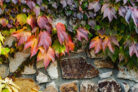
The variety you’ll see most often that *can’t* climb on its own is the “Woodbine” or Common Virginia Creeper. Since it lacks those adhesive discs, it absolutely requires a trellis or fence to grow upward. Aside from its climbing style, it looks and grows almost exactly like its self-climbing cousins, so you still get that gorgeous fall color!
Choosing the Right Support
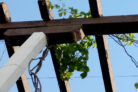
Not all trellises are created equal! You’ll want to pick one based on where you’re planting. Freestanding trellises or obelisks are great for accent plants in the middle of the garden. Just make sure they’re anchored deep in the soil so a stiff breeze doesn’t knock them over once they’re heavy with foliage. If you’re looking to cover a house wall, you’ll want to mount a sturdy grid or lattice directly to the structure.
DIY Your Own Trellis
If you’re feeling handy, you can easily build your own support system. All you really need are some wooden slats or boards, plus some wire or heavy-duty twine. When you’re putting it together, try not to leave the gaps too wide—smaller sections make it much easier to train the vines in the direction you want them to go. I also like to use thin wire or garden ties to help guide any “stray” branches back toward the main support.