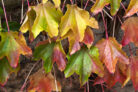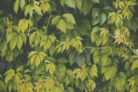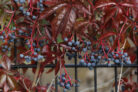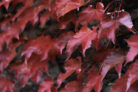
Virginia Creeper (also known as Boston Ivy or Wild Grape) is a total classic in the gardening world. With its lush growth and stunning foliage, it looks a lot like a traditional grapevine, but it’s much easier to manage. The best part? You don’t need a huge backyard to enjoy it—you can absolutely grow it on your balcony if you keep a few simple tips in mind!
Ways to Use Virginia Creeper on Your Balcony
If you’re working with a balcony or terrace, the key is to plant your vine in a large enough pot or container. Once it starts growing, it’s perfect for:
- Creating a natural privacy screen
- Adding a splash of green to exterior walls or balcony railings.
Finding the Perfect Spot
Location is everything when it comes to getting that vigorous growth we all love. Virginia Creeper thrives in warm, sunny spots, so south- or east-facing balconies are usually your best bet. Try to avoid deep shade, as the plant won’t be nearly as happy there.
A quick pro-tip: even if you have a “self-climbing” variety, it’s a smart move to provide a trellis or mesh. The little “suction cups” (adhesive pads) these vines use to climb can actually damage brickwork or railings over time. Using a trellis helps protect your home’s structure while giving the plant a clear path to follow.
Caring for Your Potted Vine
Taking care of a vine in a container is a little different than growing one in the ground. Since the roots can’t reach deep into the earth for food, you’ll need to step in. Make sure to fertilize and water your plant regularly. Just be careful not to overdo it—nobody likes “wet feet,” so ensure your pot has good drainage to avoid standing water.
To keep your balcony from turning into a jungle, you’ll also want to stay on top of pruning. Don’t be afraid to trim back those long, runaway shoots! Regular clipping keeps the plant looking tidy and prevents it from taking over your entire outdoor space.
A Note on Safety for Kids and Pets
While it’s beautiful to look at, keep in mind that the berries on Virginia Creeper are a no-go for eating. They are toxic to both humans and pets. If ingested, they can cause some nasty symptoms like nausea, vomiting, or diarrhea. Just make sure to keep the plant (and those tempting berries) out of reach of curious little hands or paws!