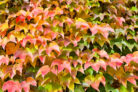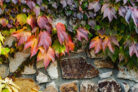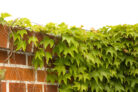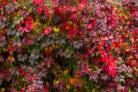
Boston Ivy and Virginia Creeper—collectively known as Parthenocissus—are generally tough-as-nails when it comes to winter. However, if you want your vines to come back lush and vibrant next spring, there are a few pro tips you should keep in mind during the colder months.
Is Wild Vine Truly Winter-Hardy?
For the most part, yes! Most varieties of these climbing vines are naturally robust and have built-in defenses to survive freezing temperatures and frosty nights without much fuss.
The “Bulletproof” Varieties
If you’re looking for plants that can handle a serious chill, these two are the gold standard:
- Parthenocissus tricuspidata ‘Veitchii’ (Boston Ivy)
- Parthenocissus quinquefolia ‘Engelmannii’ (Virginia Creeper)
Other Hardy Options
These classic varieties are also very reliable in cold climates:
- The standard Boston Ivy (Parthenocissus tricuspidata)
- The standard Virginia Creeper (Parthenocissus quinquefolia)
The One Exception to the Rule
There is one popular variety that just can’t handle the frost: Parthenocissus henryana (Silvervein Creeper). This one needs to be moved to a protected winter shelter before the first freeze. Because of its sensitivity, it actually makes a fantastic houseplant!
Stop Fertilizing Early
To help your vines toughen up for winter, you need to time your fertilizing correctly. I recommend stopping all feeding—and finishing up any fall pruning—by early to mid-August. By cutting off the extra nutrients, you ensure that new growth has enough time to “harden off” (turn woody) rather than staying soft and succulent, which makes the plant much more resistant to freezing.
Extra TLC for Young Plants
While established vines are usually fine on their own, “baby” vines or newly planted ones need a little extra help. Give them a cozy layer of protection by covering the base with brushwood, spruce branches, or wrapping them in garden fleece or burlap.
Winter Care for Potted Vines
If you’re growing your vines in containers, they need a bit more attention. Since there’s less soil to insulate the roots, the pot can freeze solid, cutting off water and nutrients—or worse, killing the roots entirely. To prevent this, place your pots on an insulating base like wood or Styrofoam and wrap the container in burlap or fleece. Adding a thick layer of mulch (compost, straw, or leaf litter) on top of the soil will help regulate the temperature and keep the roots from drying out.