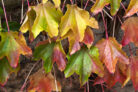
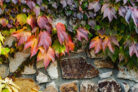
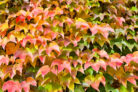
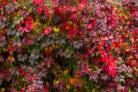
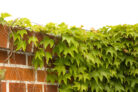
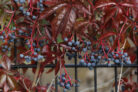
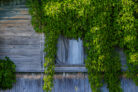
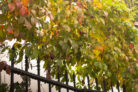
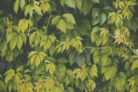
If you’re looking to add some serious curb appeal to your home, Boston Ivy (also known as Virginia Creeper or Woodbine) is a total classic. These vigorous climbers are part of the *Parthenocissus* family, and they’re famous for turning boring brick walls or pergolas into lush, green masterpieces. But before you plant, you’ve got to understand how their vines actually work!
Different Varieties, Different Climbing Styles
Even though we often group all “Virginia Creepers” together as self-climbing vines, not every variety is a solo act. When you’re shopping at the nursery, you’ll generally find two main types:
- The self-climbers (the “set it and forget it” types)
- The non-self-climbers (the ones that need a little hand-holding)
Popular Self-Climbing Varieties
In most backyards, you’ll run into two main superstars that can scale a wall all by themselves:
- Boston Ivy (*Parthenocissus tricuspidata*)
- The “Mannii” variety of Virginia Creeper
The Most Common Non-Self-Climber
The most famous variety that *can’t* climb on its own is the Common Virginia Creeper (*Parthenocissus vitacea*). If you plant this one, you’ll definitely need to provide trellises or support structures to help it reach new heights.
A Closer Look at the Tendrils
The vines on these plants are actually thread-like stems called tendrils. Depending on the specific variety and how old the plant is, these tendrils can vary in thickness. For the most part, though, they are super flexible and incredibly sensitive to touch—once they feel something to grab onto, they get to work!
The Secret Weapon: Adhesive Pads
What makes the self-climbing varieties so cool is that their tendrils end in tiny little “suction cups” or adhesive pads. These allow the plant to stick to smooth surfaces like brick or stone without any extra help, letting it spread out and climb vertically with ease. Varieties without these pads are more like “scramblers”—they need a fence or a wire to wrap around if they’re going to go up.
A Word of Caution: Removing the Pads
Just a heads-up for homeowners: those self-climbing varieties are strong! While they look beautiful, they can sometimes get a bit too cozy with your masonry. Those adhesive pads anchor themselves so firmly that removing the plant can be a real project. Even if you pull the vines away, the tiny “feet” often break off and stay stuck to the wall. In some cases, you might even need to use specialized cleaners to get your siding looking clean again.