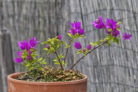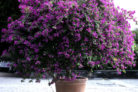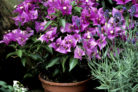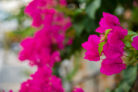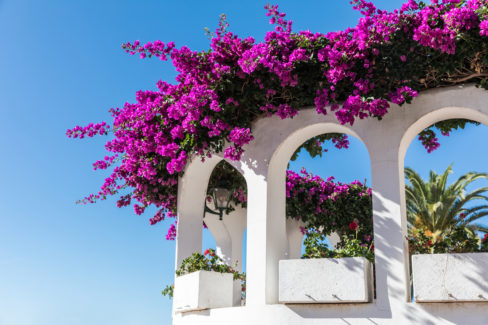
The real showstoppers of any bougainvillea (sometimes called paperflower) are those vibrant, neon-colored bracts that everyone mistakes for petals. But if you want your plant to put on a world-class display, you’ve got to give it more than just a little water—it’s all about the right location and a bit of TLC.
Houseplant or Patio Plant?
You’ll often see bougainvillea sold as a houseplant. But don’t let that label fool you! Just because it *can* live indoors doesn’t mean it wants to spend its whole life there. These beauties are much happier spending their summer vacation outside on a balcony or patio. Trust me, your bougainvillea will thank you for the fresh air and sunshine.
Bringing Your Bougainvillea Outdoors
To keep your bougainvillea thriving on your balcony or deck, you’ll want to keep three things in mind:
- Timing the season right
- Prepping the plant for the move
- Picking the perfect sunny spot
The Outdoor Season
Since bougainvilleas are tropical at heart, they absolutely cannot handle a chilly winter. Leaving a potted bougainvillea outside in the cold is a recipe for disaster, as frost will kill it pretty quickly.
The outdoor season usually wraps up in the fall once temperatures consistently drop into the 40s (Fahrenheit). Depending on where you live, that’s usually sometime between late September and mid-October. You can bring it back out in mid-May once the threat of night frost has totally passed.
Getting Ready for the Move
The May sun can be surprisingly intense, so you don’t want to shock your plant by moving it straight from a dark corner to full sun. Start prepping in March by moving the plant out of its winter storage and into a bright, warm spot indoors. This helps it get re-acclimated to the light.
If you get a particularly warm spell in April, you can even let your bougainvillea spend the day outside in a sheltered spot—just make sure to bring it back inside before the sun goes down!
The Perfect Spot
Bougainvilleas are total sun-worshippers. For the best blooms, find a location on your balcony that gets full, direct sun. They can handle high heat like a champ, but they absolutely hate being stuck in the dark or sitting in soggy soil. If you have smaller plants, make sure they aren’t being shaded by their taller neighbors.
While they don’t mind a breeze, try to tuck them under an eave or roof overhang to protect them from heavy rain. And keep an eye on the weather—a major windstorm can blow those beautiful colorful bracts right off the branches!