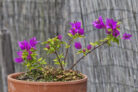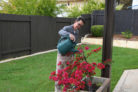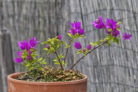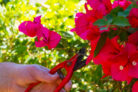
Since bougainvillea (also known as paperflower) isn’t frost-hardy, it has to spend the chilly months indoors. Once spring rolls around, you’re probably eagerly waiting for those first new shoots to appear—but sometimes, the plant just sits there. Should you start worrying? Not necessarily!
The Culprits
There are a few common reasons why your bougainvillea might be acting a little sleepy after its winter nap:
- Less-than-ideal growing conditions
- A pot that’s gotten too tight
- The plant didn’t make it through the winter
Not Enough Light or Heat
Bougainvilleas are total sun-worshippers. They don’t just like light and warmth; they absolutely need them to “wake up” after overwintering. If your plant is sitting in a dark corner or a drafty room, it simply won’t feel the need to start growing again.
What to Do
To let your bougainvillea know that winter break is officially over, try these steps:
- Move the plant to a much brighter spot.
- Turn up the thermostat or move it to a warmer room.
Sometimes, a tiny dose of fertilizer can give it the nudge it needs. If you have the space, try moving it to a warm, sun-drenched room starting in March. Most importantly: be patient! An overwintered bougainvillea can sometimes take until May to show signs of life. Just be careful not to overwater it during this stage, as that can actually do more harm than good.
The “Tight Shoes” Problem
If your bougainvillea is completely root-bound or you see roots poking out of the drainage holes, it’s time to repot it. When a plant’s “shoes” are too tight, it can actually stunt new growth.
Checking for Signs of Life
In the worst-case scenario, the reason there’s no new growth is that the plant didn’t survive the winter. This often happens if the plant was watered too much while indoors, causing those sensitive roots to rot. On the flip side, if it didn’t get enough water, it might have dried out completely—though a thirsty plant usually has a better chance of being rescued than a rotten one.
What to Do
Since one problem requires more water and the other requires less, you first need to figure out if there’s still life in those branches. You can do this with a simple “scratch test.” Use your fingernail or a small knife to gently nick the bark in a few places:
- If you see green underneath: Your plant is alive!
- If it’s brown and brittle: That part of the plant has died.
If you suspect the soil stayed too wet (root rot), pull the plant out of the pot to check the roots. If they look mushy, trim the damaged parts and move the plant into fresh, well-draining soil immediately.