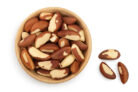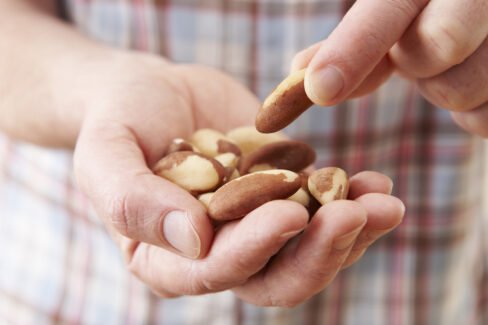
When it comes to staying healthy, our bodies need a little help from a trace element called selenium. If you’re looking for a natural boost, look no further than the Brazil nut. These giants of the nut world are harvested deep in the Amazon rainforest before making their way to our grocery store shelves. Let’s dive into why these nuts are so special and what you should keep in mind before snacking.
Why Selenium Matters
Think of selenium as a tiny but mighty building block for your body. It’s a key player in several important enzymes and helps keep your metabolism running smoothly. It’s also great for boosting your immune system, fighting off free radicals, and keeping your thyroid hormones in check. According to nutritional guidelines, adult men need about 70 µg (micrograms) a day, while women need around 60 µg. Kids need a bit less, depending on their age.
The Selenium Powerhouse
Brazil nuts are hands-down the champions of selenium. Just 100 grams of these nuts pack about 1.9 milligrams of the stuff—experts believe no other plant on Earth comes close to that concentration. In fact, eating just one single nut is usually enough to meet your entire daily requirement!
Because they are so potent, it’s easy to overdo it. You really don’t want to exceed 300 µg of selenium per day on a regular basis. Too much can lead to “selenosis,” which can cause some pretty serious health issues. So, enjoy them, but don’t treat them like popcorn!
Pro Tip:
Thinking about trying to grow your own Brazil nut tree to harvest your own crop? I hate to be the bearer of bad news, but the outlook isn’t great. In our climate, they might survive in a specialized greenhouse, but they almost certainly won’t produce fruit.
What Else is Inside?
Selenium isn’t the only thing Brazil nuts have going for them. They are packed with a variety of nutrients, including:
- Fiber
- Calcium
- Iron
- Potassium
- Magnesium
- Sodium
- Phosphorus
- Vitamins C, B6, B12, and E
- Zinc
If you’re watching your waistline, keep in mind that Brazil nuts are high in fat. While these are the “good” kinds of fats, they are still very calorie-dense—about 660 calories per 100 grams. Also, don’t confuse Brazil nuts with pecans! While they might look a bit similar, they are very different. Pecans (which are native to North America) are also super healthy, but they don’t have nearly as much selenium.
Freshness is Key
Brazil nuts aren’t the type of snack you want to leave sitting in the pantry for months. Because of their high oil content, they can go rancid much faster than other nuts. If they start to smell off or taste bitter instead of sweet and nutty, it’s time to toss them. They are also prone to mold, especially if they’ve already been shelled. My advice? Buy them in the shell and crack them open right before you’re ready to eat.