Let’s be real: trying to grow a tree that craves a subtropical climate in our neck of the woods doesn’t make much sense on paper. It’s probably never going to feel truly “at home,” and getting it to actually fruit is a long shot. But hey, since when has “common sense” ever stopped us adventurous gardeners? If you’re looking to add a serious touch of the exotic to your plant collection, here’s how to tackle the challenge of the Brazil nut tree.
The Perfect Spot for a Brazil Nut Tree
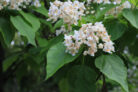
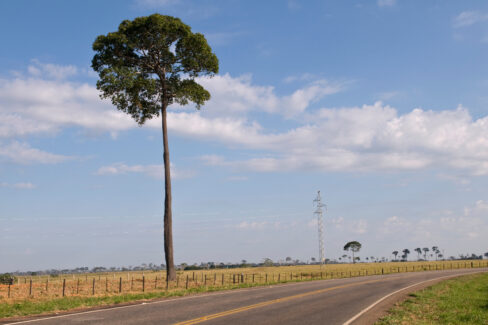
As the name suggests, the Brazil nut tree hails from the Amazon. In its native habitat, it isn’t farmed on plantations; it grows wild in the humid, subtropical rainforest. That means it needs warmth and high humidity 365 days a year. Unless you live in a tropical paradise, your best bet for keeping this tree happy is a climate-controlled greenhouse.
Growing a Brazil Nut Tree from Scratch
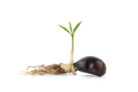
You’ll find plenty of exotic plants at your local nursery, but the Brazil nut tree—with its long, leathery leaves—usually isn’t one of them. If you want one, you’re going to have to DIY it using an untreated, raw nut. Just a heads-up: patience is key here. Germination can take several months, sometimes even longer.
- Sow the seed in a pot.
- Use a lean soil mix, like cactus potting soil.
- Carefully remove the hard outer shell from the seed (the nut).
- Place it on the soil and cover it only very lightly.
- Keep it consistently moist.
- Find a bright, warm spot for it to call home.
Once that little nut sprouts into a sapling, your biggest challenge will be maintaining that “warm and humid” rainforest vibe around the clock.
Can You Expect a Harvest at Home?
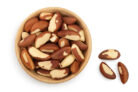
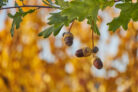
Brazil nuts are famous for being packed with selenium, making them a super healthy snack. In fact, no other plant on earth has a higher concentration of this mineral. However, I hate to burst your bubble, but you probably won’t be harvesting your own nuts anytime soon. Even in the wild under perfect conditions, these trees take over ten years just to start flowering. By that point, the tree is way too big for a standard greenhouse—if it even survives that long indoors. Plus, they rely on a very specific type of bee found only in the rainforest for pollination.
Brazil Nuts vs. Pecans
People often get Brazil nuts and pecans mixed up. While they’re both nutritional powerhouses, that’s pretty much where the similarities end. Pecans look and taste different, and they thrive right here in North America. Unlike the wild Brazil nut, pecans are related to walnuts and are easily grown on orchards and plantations.
Pro Tip:
Shelled Brazil nuts (the kind you usually see in bags at the grocery store) go rancid pretty quickly. If you can, buy them still in their hard shells. It keeps the kernels fresh and protects them from mold spores much better!