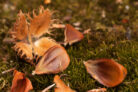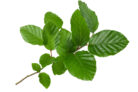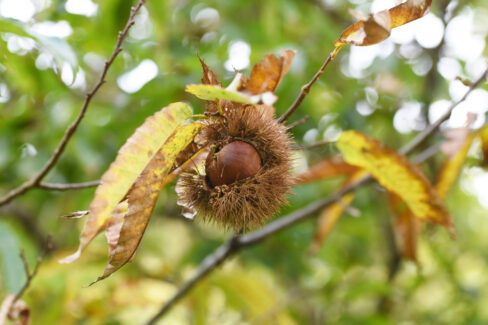
If you take a stroll through the woods or a local park in the fall, you’ve probably noticed them crunching under your boots: beech nuts. These little forest treasures are not only free for the taking, but they’re also incredibly nutritious and tasty. If you spot them, definitely grab a handful! They offer so many cool possibilities in the kitchen.
- Foraging for Beech Nuts Yourself
Not sure what you’re looking for? Here’s how to spot a beech nut:
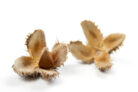
- They are small, three-sided (triangular) nuts from the beech tree.
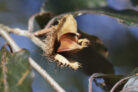
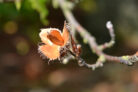
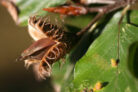
- They grow inside a woody, velcro-like husk covered in soft spines.
- Inside the shell, you’ll find a kernel wrapped in a thin brown skin.
- The very center of the nut is bright white.
Pro tip: Often, the husks burst open while still on the branch, so you’ll mostly find the loose nuts scattered on the ground.
When is the Best Time to Collect Them?
Beech trees usually drop their seeds in September. That’s your window to get out there and start gathering! Just keep in mind that beech trees are late bloomers—they don’t start producing nuts until they’re about 40 years old. Plus, they don’t provide a massive harvest every year. Usually, you’ll get a “mast year” (a bumper crop) every 5 to 7 years, with smaller amounts in between.
Heads up: A lot of the nuts you find might actually be empty. To make sure you have enough for a recipe, gather more than you think you need. And hey, if you have some patience, you can even try sowing and planting them to grow your own trees!
Prepping Your Harvest for the Kitchen
Once you get your haul home, it’s time to get to work. Here’s the best way to prep them:
- Clean the nuts and carefully remove them from their outer shells.
- Toss the kernels into a dry pan and roast them.
- Alternatively, you can pour boiling water over them.
Why the heat? Well, raw beech nuts are slightly toxic because they contain fagin and hydrocyanic acid. Roasting or blanching them neutralizes these substances, making them perfectly safe to eat as a snack or mix into your favorite baking dough.
Bonus: Roasting really brings out that rich, nutty aroma and helps them stay fresh longer!
How to Pick the Best Seeds for Planting
Even if you just want to grow one little beech tree for your backyard, you’ll want to start with a bunch of seeds. Since so many of them are “duds” (empty shells), you need a way to weed out the bad ones.
Here’s a simple gardener’s trick: Drop your collected nuts into a bowl of water. The heavy, viable seeds will sink to the bottom, while the empty ones will float on top. Just skim off the floaters, and you’re left with the winners!