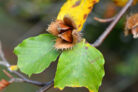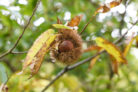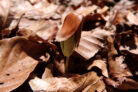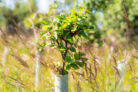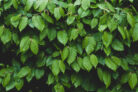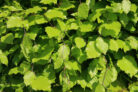
You can grow your own beech trees from seeds (beech nuts) or start with young saplings from a nursery. Given the right spot, these beauties can grow into massive giants that live for up to 300 years! However, DIY tree planting has a few quirks. To make sure your new tree thrives, here are a few expert tips to keep in mind.
What to Consider Before Planting
Beech trees are pretty versatile and will grow in almost any location—they even do surprisingly well in shady spots. That said, they aren’t fans of extremes; they don’t like bone-dry soil, but they also hate “wet feet” (waterlogging).
A loose, well-draining soil with a moderate amount of nutrients is perfect. If you want to go the extra mile, try to mimic the soil of a natural deciduous forest. You can do this by mixing some fallen beech leaves and spruce needles into your garden soil before planting.
Fall is the Best Time to Plant
Like most trees, the best time to get your beech in the ground is during the fall months. This is also the time to sow beech nuts. Planting now significantly lowers the risk of your young saplings drying out.
Just keep in mind that these little guys might need some winter protection if the temperatures take a serious dive. Also, give them some breathing room—make sure they are at least three feet away from neighboring plants so they have plenty of space to branch out.
How to Plant Beech Nuts
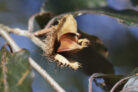
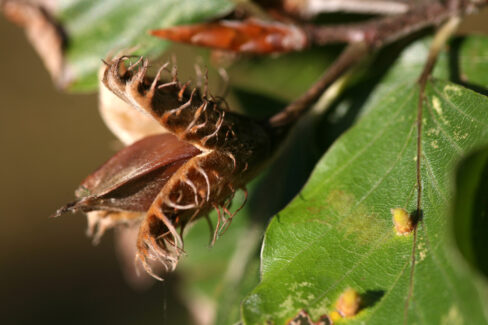
Beech trees reproduce via seeds known as beech nuts, which grow inside a prickly husk. You can collect the ripe fruit in September. Store them in a cool, dry place for a few weeks before sowing them directly into your garden bed.
Fun fact: Beech trees don’t start producing nuts until they are at least 40 years old! Also, keep in mind that not every husk will contain a seed. The seeds themselves are mildly toxic if eaten raw in large quantities, yet they are technically edible and quite tasty when prepared correctly.
Tips for Planting Saplings
If you’re starting with a young tree, follow these steps for the best results:
- Dig a hole large enough to comfortably accommodate the entire root system.
- Place the sapling in the hole, ensuring it’s deep enough that all roots are well-covered by the soil.
- Mix in some leaf mulch around the base and tamp the soil down firmly with your foot.
- To ensure the tree grows straight—especially in windy areas—it’s a good idea to stake the sapling for support.
Pro tip: Planting a tree is always easier with a buddy! Having an extra pair of hands helps ensure the sapling stays straight and is handled gently during the process.