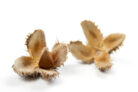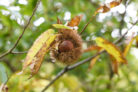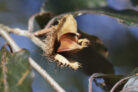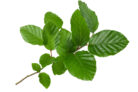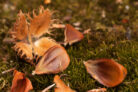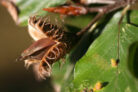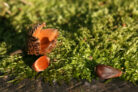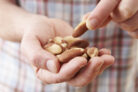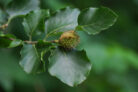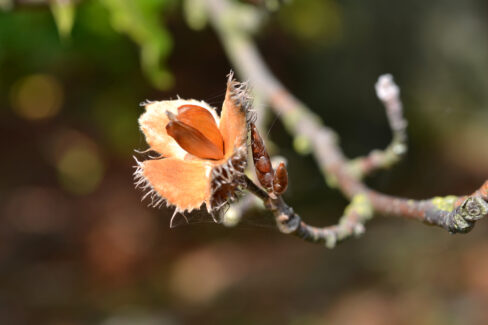
Beech seeds (those little nuts we call beechnuts) contain a toxic substance called fagin, along with small amounts of hydrogen cyanide. While they don’t have nearly as much cyanide as bitter almonds, you should still think twice before snacking on them raw. The good news? You can easily neutralize those harmful compounds with a little heat!
The Deal with Cyanide in Seeds
Cyanide actually pops up in many natural plant products, though usually in tiny, trace amounts that won’t hurt you. While beechnuts only contain a small concentration, it’s still significantly higher than what you’d find in most other wild fruits.
If you’re healthy and don’t have allergies, munching on a couple of raw beechnuts while out on a hike probably won’t hurt. However, it’s a different story for anyone with a weakened immune system or specific allergies.
Raw Beechnuts Can Cause Poisoning
Kids are especially sensitive when it comes to potential poisoning. If your little ones have managed to eat several raw beechnuts, keep a very close eye on them. If you notice any symptoms, it’s time to call the doctor immediately.
Here are the signs of beechnut poisoning to watch out for in both kids and adults:
- Headaches
- Dizziness
- Nausea
- Vomiting
- Stomach pain
- Diarrhea
- Ringing in the ears
- Shortness of breath
Heat is the Secret Ingredient
Despite the scary-sounding compounds, beechnuts are actually a delicious and healthy snack if you prepare them correctly! By heating them up, you break down the majority of the cyanide, leaving behind a concentration that is perfectly safe to eat.
Here’s how to prep your foraged beechnuts:
- Roast the kernels in a dry pan (no oil needed!).
- Alternatively, you can pour boiling water over them. Cyanide actually begins to evaporate at just 77 degrees Fahrenheit (25°C).
- You can also grind them into flour for baking bread or cakes. The heat from the oven is more than enough to minimize the cyanide levels.
Heating doesn’t just get rid of the cyanide; it also neutralizes the fagin and oxalic acid. Plus, roasting them brings out a fantastic, nutty aroma that you just don’t get when they’re raw.
Growing Your Own Beech Trees
If you aren’t planning on eating your harvest, you can use the seeds to grow your own trees! To start your own saplings, keep the collected beechnuts in a cool, dark place for a few weeks. After that, you can sow them directly into a garden bed. Once your little seedlings are strong enough, you can transplant them to their permanent home in your yard.