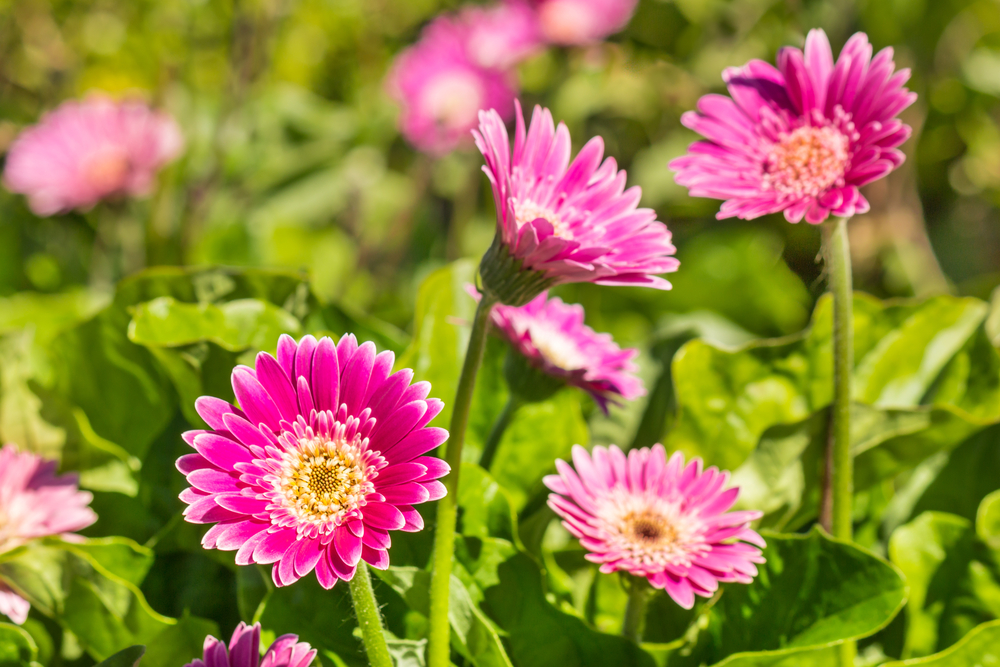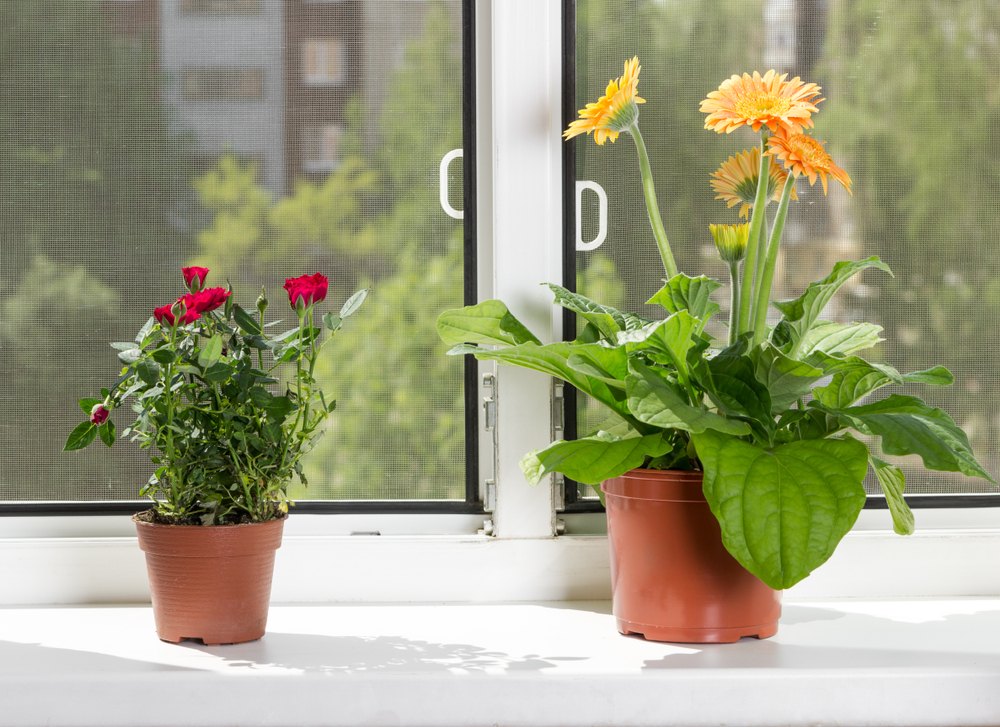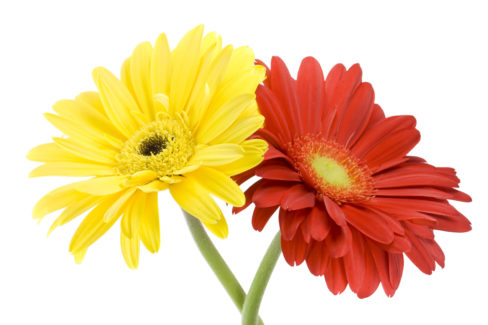
When you see those vibrant, happy Gerbera daisies in full bloom, it’s only natural to want to fill your whole garden with them! Many home gardeners get the itch to harvest their own seeds to keep the party going. However, there’s a little catch: many of the varieties we buy are hybrids, which means their seeds often won’t sprout at all. If you want to try your hand at seed harvesting, your best bet is sticking with standard garden Gerberas.
It’s a Labor of Love
I’ll be honest with you—harvesting Gerbera seeds takes some patience and a bit of a sacrifice. To get viable seeds, you have to let the flower go through its entire life cycle on the plant. This means you can’t deadhead or cut your daisies for bouquets. Because the plant is putting all its energy into making seeds, it’ll stop producing those gorgeous new buds we all love. Your garden might look a little less “showy” for a while!
The Step-by-Step Process
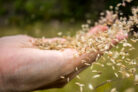
If you’re ready to give it a go despite the extra work, here’s the game plan. You basically have to wait until the flower fades and transforms into something that looks a lot like a dandelion “puffball.” Once it reaches that fuzzy stage, you’re ready to harvest. Here’s what to do:
- Gently shake the seeds loose from the flower head.
- Spread them out on a plate to dry thoroughly.
- Store them in a cool, dry place and wait until next spring to plant.
The most important rule? Keep that flower head attached to the stem until the very moment you’re ready to collect the seeds.
Better Ways to Grow Your Collection
You won’t really know if your hard work paid off until the following spring, and unfortunately, it’s pretty common for home-harvested seeds to fail to germinate. I usually recommend saving seeds only for rare varieties that you can’t easily find at the local nursery.
If you want a sure thing, I highly recommend propagation through cuttings or division instead. In the early fall, you can take cuttings and let them root in water before potting them up. Alternatively, you can dig up the root ball and carefully divide it. Both of these methods are way more reliable than seeds and will have you enjoying new Gerbera blooms much sooner!