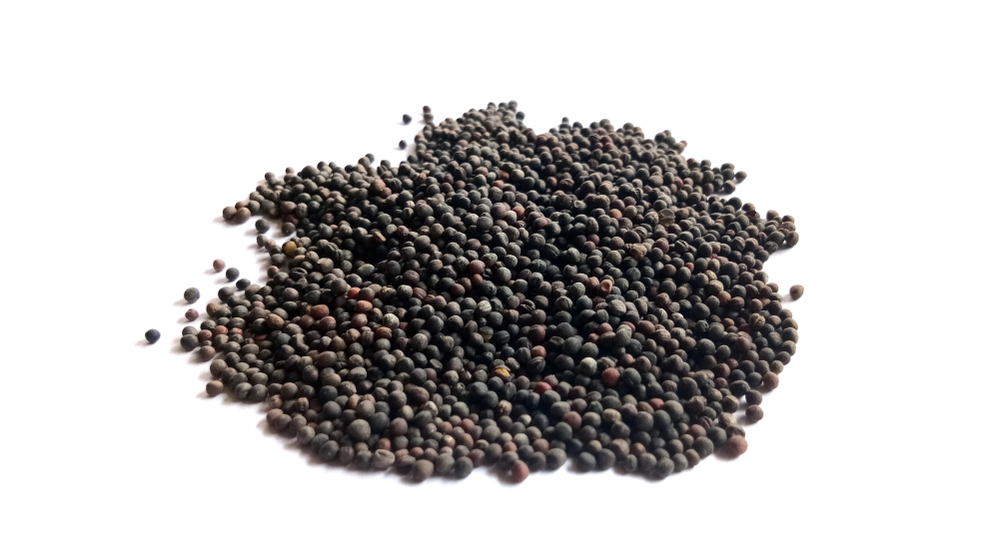
Kale is pretty much the ultimate winter superfood. It’s packed with vitamins and nutrients, making it a staple in many backyard vegetable patches. Thinking about adding some of this leafy green goodness to your own garden? Here’s everything you need to know to get your kale seeds started right.
Kale Sowing: Varieties and Timing
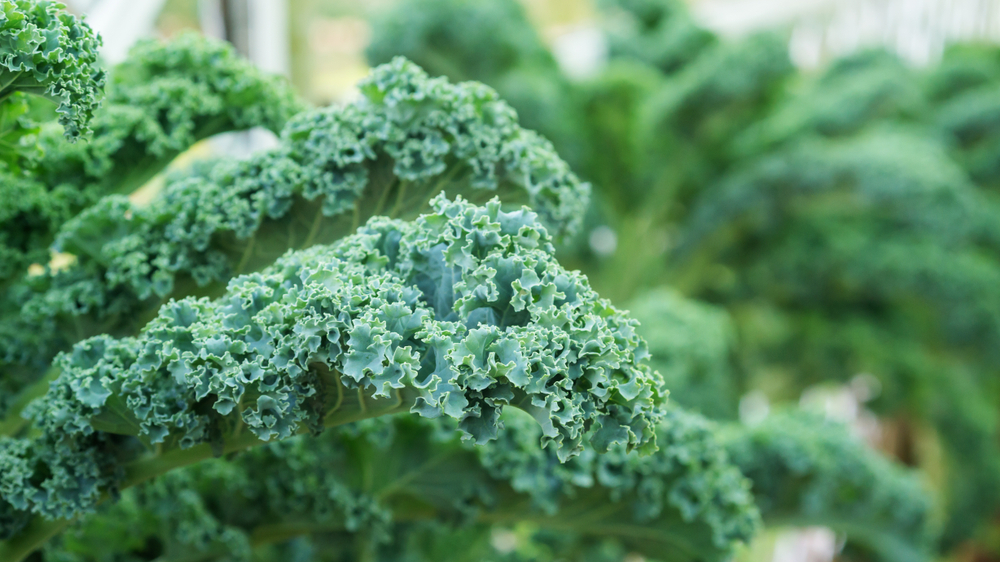
There are tons of different kale varieties out there, ranging in height, leaf texture, and even color. You’ll usually find about 10 common varieties at the garden center, so you can pick the one that fits your vibe. Definitely take a quick peek at the back of the seed packet for specific tips on the variety you chose!
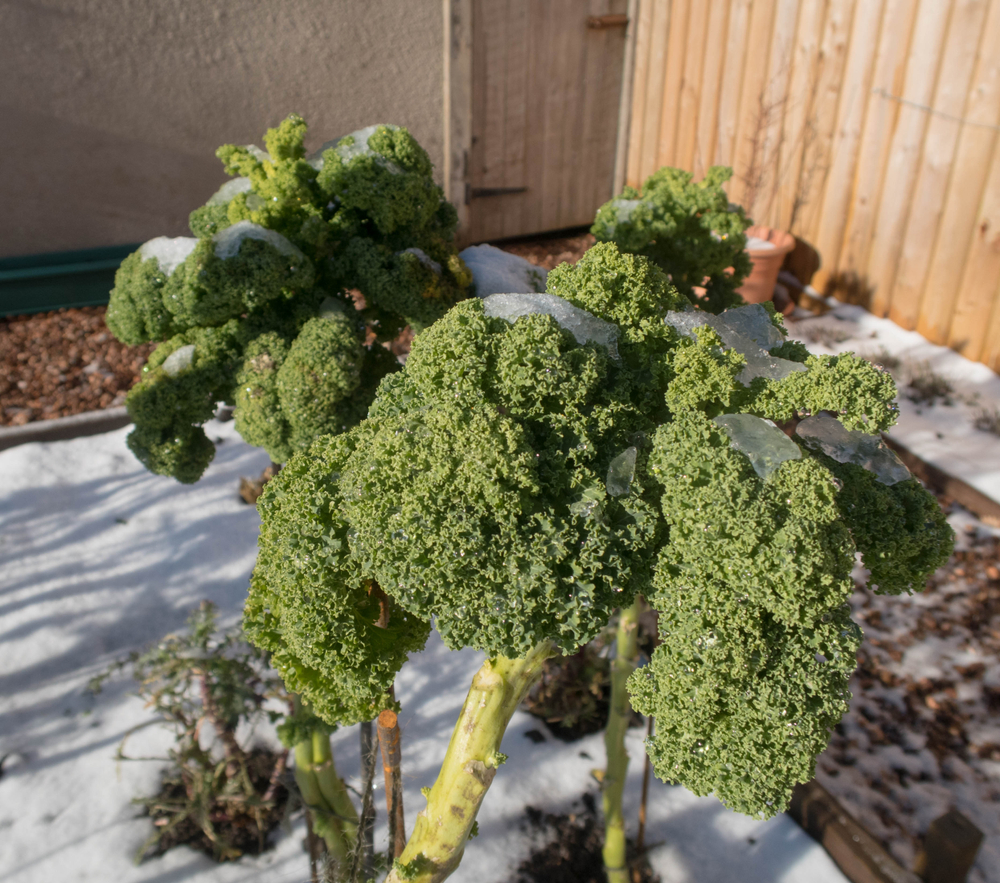
You can start sowing kale directly outdoors from mid-to-late May. The big rule of thumb here: wait until the threat of frost has passed. Even though mature kale plants actually taste better after a frost (it’s like a little flavor therapy!), the tiny seedlings are much more delicate. Aim for a planting date after the “Ice Saints” or your local last frost date. If you’re eager to get a head start, you can also start seeds indoors on a sunny windowsill around late April or early May.
How to Sow Your Kale
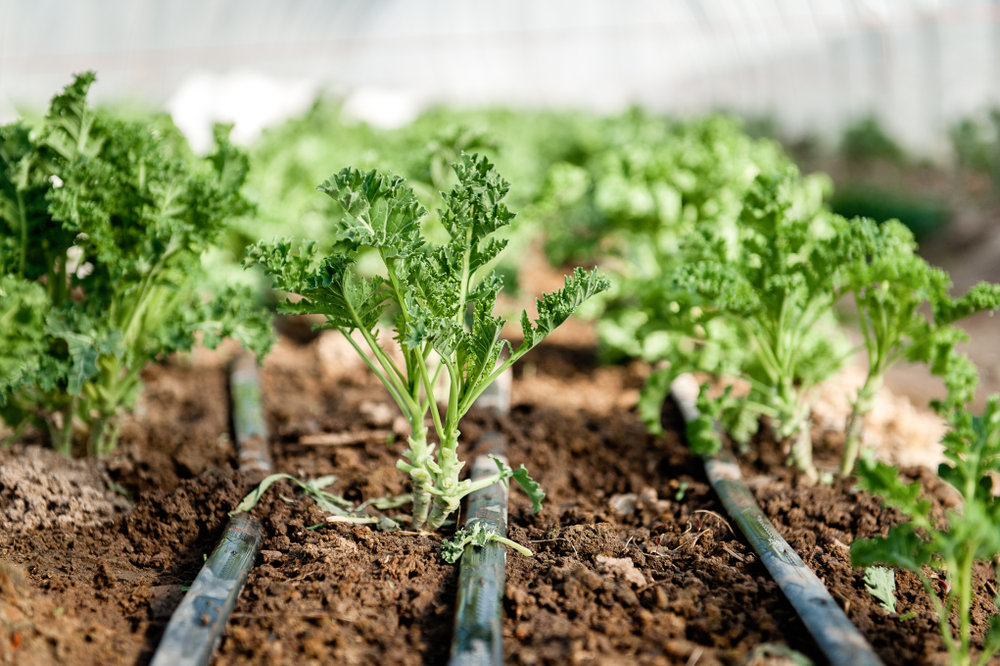
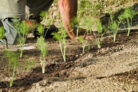
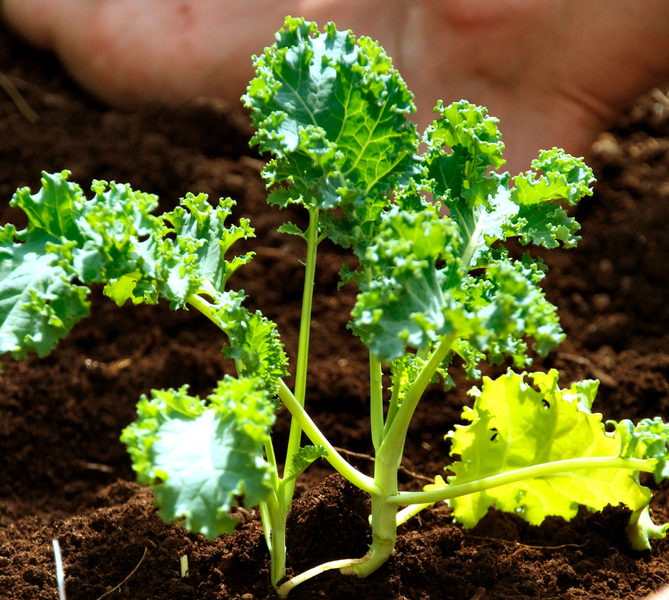
Before you head out to the garden, give your soil a good turn with a shovel. Kale actually likes loamy soil, but you want to make sure it isn’t too heavy or compacted. Since kale is a “heavy feeder” (meaning it needs a lot of fuel to grow), mix in some compost to enrich the dirt. Poke small holes into the soil about an inch deep.
Make sure to keep a planting distance of about 15 to 20 inches between seeds. If you plant them too close, you’ll just have to thin them out later anyway! Drop your seeds in, cover them lightly with soil, and give them a good drink. You’ll want to keep the soil consistently moist over the next few weeks, but be careful not to turn your garden into a swamp.
Depending on the variety, kale thrives in anything from full sun to partial shade. I actually prefer a spot with a little shade so the soil doesn’t dry out too fast in the summer heat. Your soil should be rich in nutrients and organic matter. Kale isn’t a fan of acidic soil, so if yours is a bit sour, you might want to mix in some lime. Either way, a few shovelfuls of compost are always a good idea—remember, this plant needs plenty of “food” to produce those nutrient-dense leaves!