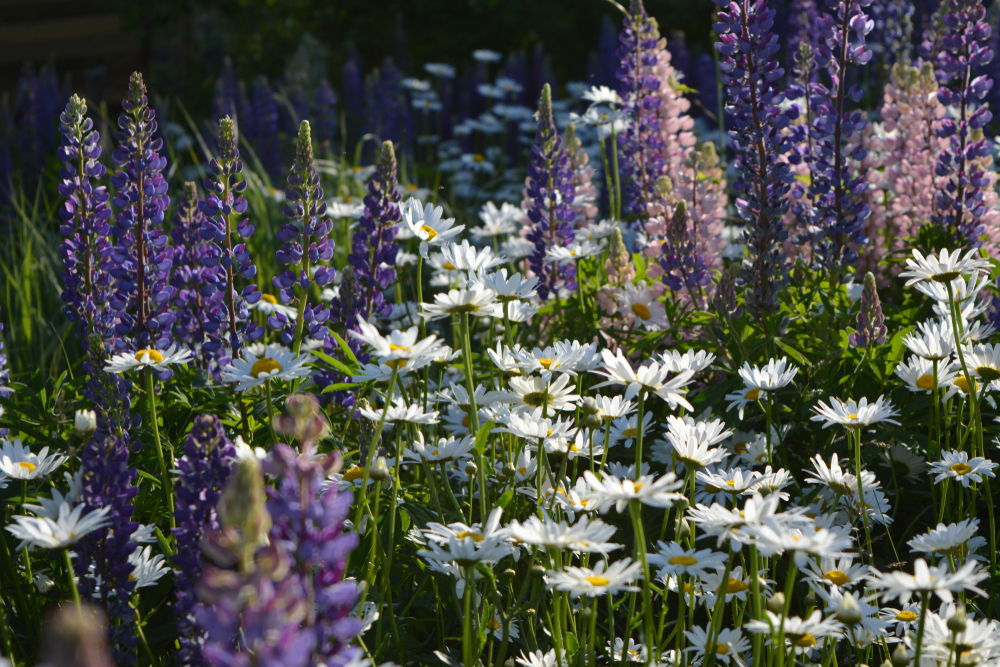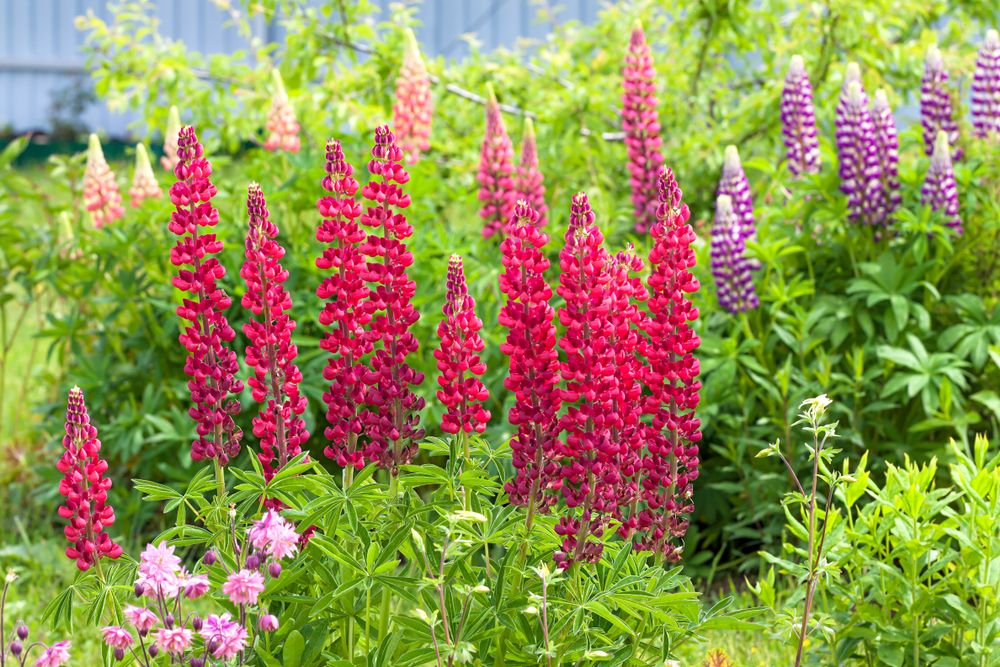
First things first: if you’re looking for a low-stress gardening win, lupines are where it’s at! Sowing these beauties is surprisingly easy and almost always ends in success. Before you know it, your garden will be popping with vibrant spikes of color. Of course, exactly how fast they take off depends on the environment you set up for them, but they aren’t very picky.
How to Get Started
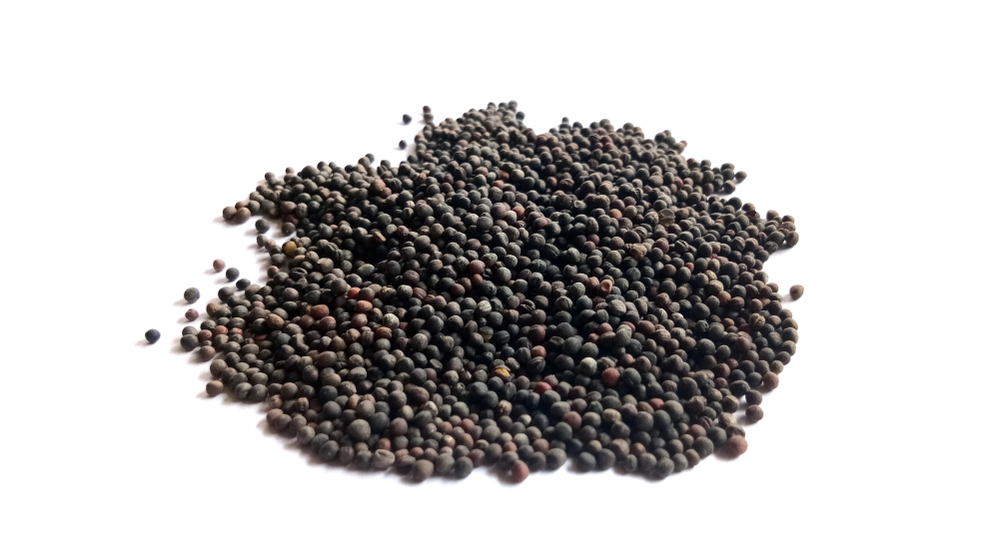
To get the ball rolling, you’ll need some lupine seeds. You can grab a packet at your local garden center or, if you’re feeling adventurous, harvest them yourself from spent blooms. Spring is the prime time to get them in the ground. However, if you’re planting perennial varieties, late summer or early fall works great too. Just remember to give them some elbow room—aim for about 20 inches (half a meter) between plants so they have space to spread their wings. Also, make sure to tuck the seeds about an inch deep (2-3 cm) into the soil; lupines are “dark germinators,” meaning they need total darkness to wake up.
Low-Maintenance Beauty
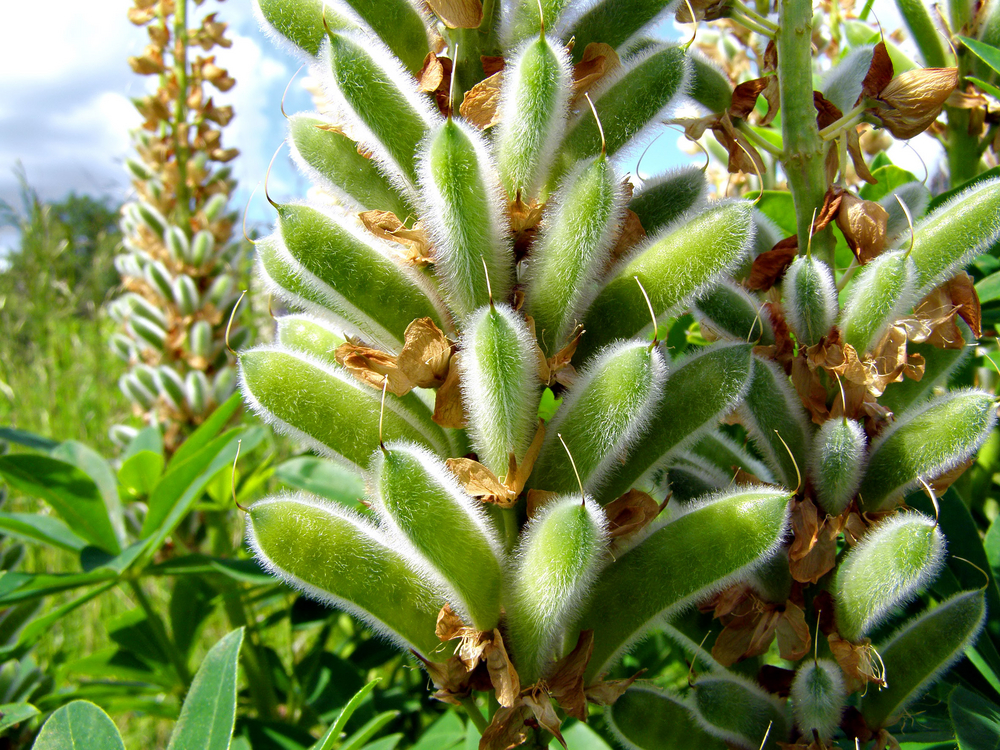
Once they’re in the dirt, your main job is keeping the soil consistently moist. Give them a regular drink until they’re about 8 inches tall. After that, lupines are pretty self-sufficient and really only need watering during long dry spells. If you’re a patient gardener, you don’t even need to plant a ton of them—lupines are famous for self-seeding and spreading on their own. If you want to keep them from taking over the whole yard, just snip off the flower spikes once they fade. A quick heads-up: lupines are toxic, so toss those clippings in the trash rather than the compost pile. Or, save them in a sealed container if you want to harvest the seeds for next year!
Starting Lupines in Pots
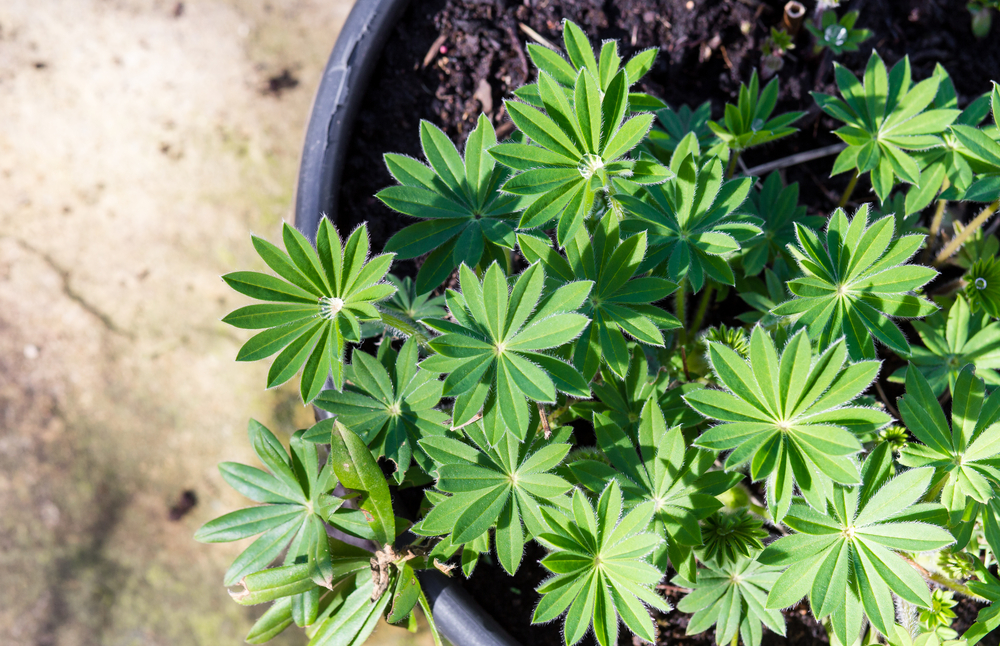
If you prefer to give your plants a head start indoors, you can definitely sow them in pots and transplant them later. Just make sure to use a deep pot so those long taproots have plenty of room to grow. Use a light, low-nutrient seed-starting mix rather than heavy potting soil. Stick to about three seeds per pot and keep the soil damp but not soggy—nobody likes root rot! You’ll quickly see which seedling is the “alpha” of the group; once you do, just snip the other two. After about four weeks, your lupines should be sturdy enough to move out to their permanent home in the garden.
To wrap it all up, here’s your quick cheat sheet for lupine success:
- Aim for a spring planting.
- Give them plenty of space (about 20 inches apart).
- Make sure to bury the seeds deep enough so they stay in the dark.