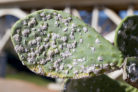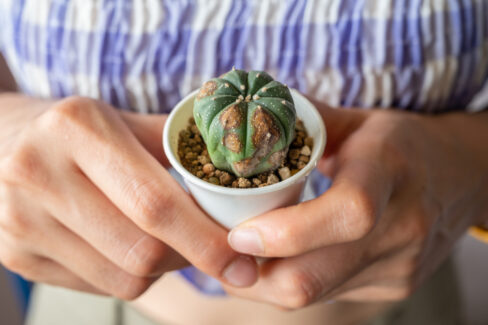
We usually think of cacti as these tough, fleshy green succulents that can handle anything. But every now and then, you might notice some funky brown spots popping up on your prickly friend. It’s definitely a bummer, but those brown patches are usually a sign that something is a bit off. Whether it’s a hiccup in your care routine or some uninvited tiny guests, I’ve got you covered.
Here’s a breakdown of why your cactus might be turning brown and how you can fix it:
Care Mistakes That Lead to Brown Spots
Most of the time, brown discoloration on that tough cactus skin happens because of a few common slip-ups. Usually, it comes down to where the plant is sitting, what it’s eating, or—most commonly—how you’re watering it.
Here’s how to get your plant back on track:
- Waterlogging: If you’ve been a little too generous with the watering can and waterlogged the roots, stop right there! During the growing season, let the soil dry out almost completely before giving it a good, deep soak.
- Nutrient Deficiency: Cacti need food too! From May through September, try to get into a regular fertilizing routine. A good rule of thumb is to feed them every second time you water.
- Improper Overwintering: If your cactus didn’t get a chance to rest over the winter, it might show its frustration with brown spots. Between November and February, move it to a bright, cool spot (no warmer than 54°F/12°C). The most important part? Don’t water it at all during this winter nap!
Pests: The Tiny Culprits
If you’re sure your care routine is spot on, it’s time to play detective and look for pests. Tiny sap-sucking insects can damage the cactus’s skin, leaving behind those annoying brown marks.
The usual suspects are scale insects, aphids, and spider mites. Since they’re tiny, grab a magnifying glass to get a better look. If you don’t have one handy, your phone’s camera zoom works like a charm to spot the invaders!
How to Fight Back with Home Remedies
The good news is that if you catch these critters early, you can usually handle them with things you already have in your cupboard. If you’re dealing with scale, just dip a cotton swab in rubbing alcohol and dab them away. You can also try a diatomaceous earth spray.
For aphids and spider mites, a classic soapy water solution (using insecticidal soap or a mild dish soap) works wonders. Another pro tip? Seal your cactus in an airtight plastic bag for three to five days. This cuts off the oxygen supply to the pests and their offspring, clearing up the problem without harsh chemicals.