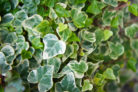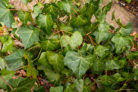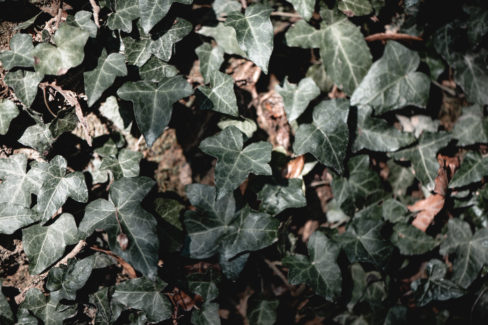
As tough as ivy is, it’s not exactly invincible. When your ivy is feeling under the weather, it usually lets you know by developing brown spots on its leaves. Since these spots can be caused by a few different things, you’ll need to do a little detective work before you can fix the problem.
Is it a Care Mistake, Disease, or Pests?
The title of this section pretty much sums up where you should start looking. You’ll want to act fast, too, because those brown spots can quickly turn into entirely brown leaves, eventually leading to leaf drop. If a fungal infection or a pest infestation goes unchecked, it can actually kill the entire plant.
Two Common Care Mistakes
The first culprit is usually watering. Ivy loves moisture (though not soggy “wet feet”!), and the root ball should never completely dry out. Make sure to water your ivy as soon as the top layer of soil feels dry to the touch.
The second mistake involves winter care. While most ivy varieties are hardy, some are more sensitive to the cold than others. Without proper protection during a harsh winter, they can suffer from frostbite, which shows up as—you guessed it—brown spots.
Diseases Caused by Fungi
Brown spots are a classic symptom of Leaf Spot Disease. However, if those spots eventually turn black and the tissue falls out, you’re likely dealing with Bacterial Canker. If you see this, prune away the affected parts immediately. Be sure to dispose of the clippings in the regular trash or your green waste bin. Never put them in your compost pile, as the pathogens can survive there and spread later.
Pro Tip:
Always use clean, disinfected tools to keep from spreading germs to your healthy plants. And since ivy can irritate your skin, definitely wear gloves while you’re pruning.
Dealing with Pests
If it’s not a disease, it’s likely an infestation by two usual suspects: spider mites or scale insects. Take a close look at the undersides of the leaves to see who’s moved in. Scale insects are also easy to spot because they leave behind a sticky residue called honeydew.
- Cut off all infested plant parts immediately.
- Spray the plant with a mild soapy water solution.
- For an extra boost, add a little rubbing alcohol to the mix.
- If the infestation is really bad, you might need a commercial treatment from the garden center.
- If a plant is too far gone to save, get rid of it right away to protect its neighbors.
If you’re growing ivy as a houseplant, try to keep it away from heaters in the winter. Dry air is like an open invitation for pests!