If you notice your cactus looking a little discolored or soft, don’t panic—it’s not always a scary disease! Sometimes, it’s actually just a case of sunburn. The tricky part is that UV damage on cacti can be pretty sneaky, showing up slowly over time. But don’t worry, I’ve got you covered. Let’s talk about how to spot a cactus sunburn, how to treat it fast, and how to keep your prickly pals safe in the future.
How to Spot a Sunburned Cactus
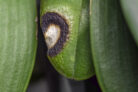
Most of the time, sunburn happens in the spring when we move our succulents out to the balcony or the garden. During this transition, keep a close eye on that green skin (the epidermis). You’re looking for pale, cream-colored patches.
Here’s how you tell it’s sunburn and not one of those pesky cactus diseases: sunburn spots usually stay the same size and don’t spread across the plant. If you see them, you’ve got to act fast! If left untreated, the damaged areas can turn woody or “corky.”
By the way, “corking” doesn’t just ruin your cactus’s desert-chic aesthetic—in severe cases, it can actually be fatal for the plant.
Quick Fixes & Long-Term Care
The faster you react to a sunburn, the better your cactus’s chances are. If you spot a burn, follow these steps immediately:
- Move your cactus to a semi-shaded spot right away.
- Mist the entire plant with a plant-based amino acid supplement.
- From then on, reintroduce it to UV light very slowly (more on that below).
While you can’t technically “heal” a sunburned spot (the scar will likely stay there), these steps prevent the damage from getting worse and keep the plant alive. That protein-rich amino acid spray works wonders to strengthen the succulent and kickstart its natural recovery process.
How to Prevent Cactus Sunburn
The good news is that preventing sunburn is actually super easy. When spring rolls around, don’t just blast your cactus with full sun immediately. Start by placing it in a semi-shaded spot on your porch or in the yard for about 10 days. Once your prickly friend has had a chance to get used to the outdoor light, you can gradually move it into a sunnier location. Think of it like building up a base tan!