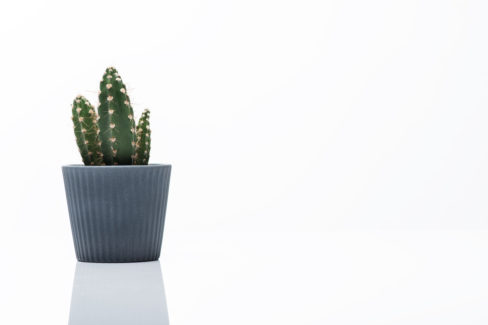
Even though there are over 1,800 different species of cacti that share some basic traits, don’t be fooled—not every pot is a good fit for every cactus. While a massive, human-sized columnar cactus needs a heavy-duty planter to spread its roots, a tiny, compact ball cactus will be perfectly happy in a little pot on your windowsill.
Choosing the Right Pot: General Guidelines
The way your cactus grows, its root system, and its overall size are the biggest factors in picking a home where it’ll actually thrive. For example, a giant, towering desert cactus needs a heavy, stable pot so it doesn’t tip over. On the other hand, shallow-rooted leaf cacti love wide, shallow bowls, while cacti with long taproots (like “turnip roots”) need extra depth to grow downward.
Here’s a quick cheat sheet to help you match the pot to your plant’s needs:
- For cacti under 3 feet tall: Look for a pot diameter that is about one-third of the plant’s height.
- For cacti over 3 feet tall: The diameter should be at least one-sixth to one-fourth of the height.
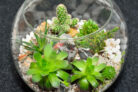
- Shallow-rooted types: Go for planting bowls or similar shallow containers.
- Taproot (Turnip-root) types: These guys need deep pots or tall planters.
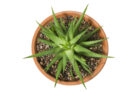
- Ball cacti: Choose a pot size that leaves about a finger’s width of space between the plant body and the rim. This makes watering these round fellas much easier and safer!
The Golden Rule: Drainage is Non-Negotiable
You might have a pot at home that looks amazing and fits your cactus perfectly, but if it doesn’t have drainage holes at the bottom, don’t use it! Without a way for excess water to escape, you’re basically inviting root rot. Standing water is the number one enemy of a healthy cactus, so make sure that water has a way out.
Plastic vs. Terra Cotta: Which Material is Best?
When you’re at the garden center, you’ll likely be choosing between plastic and clay (terra cotta). The material you pick actually changes how you’ll need to care for your plant. Here’s the lowdown on the pros and cons:
- Plastic Pots (Pros): They distribute water evenly and have very low evaporation rates.
- Plastic Pots (Cons): They don’t offer any extra airflow to the root system.
- Terra Cotta/Clay Pots (Pros): The porous material allows air to reach the roots, and let’s be honest—they look classic and decorative.
- Terra Cotta/Clay Pots (Cons): You’ll need to water more often because the soil dries out faster; plus, the evaporation can sometimes cause the soil temperature to drop (evaporative cooling).
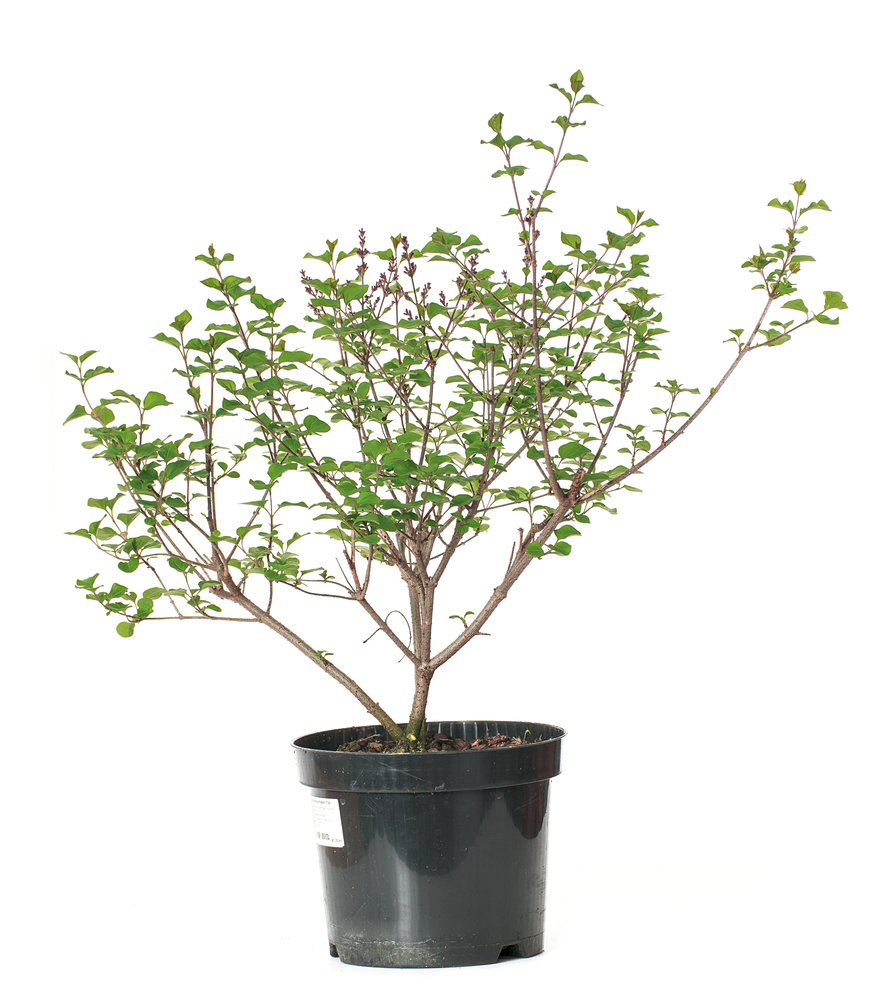
One extra tip: If you go with plastic, try to avoid black pots if your cactus is going to be in a sunny spot. Black plastic can absorb a ton of heat, which might cook your plant’s roots on a hot summer day!