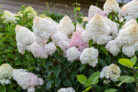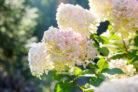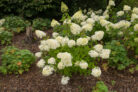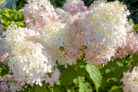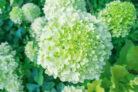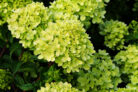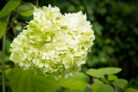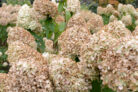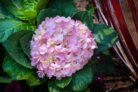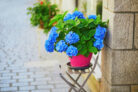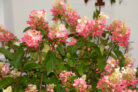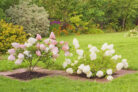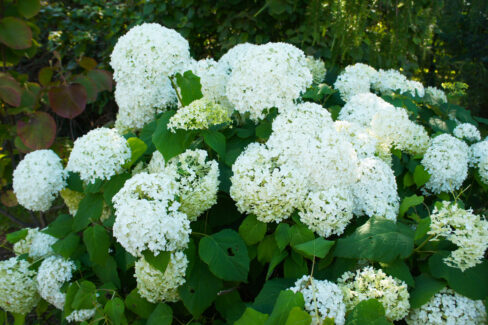
With a little TLC, you can absolutely grow gorgeous panicle hydrangeas in containers! The secret is matching the pot to the plant. If you’re working with a patio or balcony, I highly recommend compact varieties like “Bobo” or “Dharuma”—they’re practically made for pot life.
Growing Panicle Hydrangeas in Containers
Container-grown hydrangeas need a bit more attention than their cousins in the ground. It all starts with picking the right home for them. Your pot should be at least two-thirds as wide as the plant itself. Drainage is non-negotiable here; make sure there are plenty of holes in the bottom so your hydrangea doesn’t end up with “soggy feet.” I always suggest adding a drainage layer at the bottom—think terra cotta shards or large pebbles—covered with a bit of landscape fleece. This keeps the soil from washing out while letting the water flow freely.
The Perfect Soil Mix
These beauties crave nutrient-rich soil. A high-quality rhododendron or azalea mix is usually your best bet. If you’re a DIY gardener and want to mix your own, here’s what you’re aiming for:
- Rich in nutrients
- Fine-textured and well-draining
- Slightly acidic pH
- Low lime content (none is even better!)
- Plenty of organic matter (humus)
If you have standard garden soil on hand, you can beef it up by mixing in some rhododendron soil, peat moss, and compost.
How to Pot Your Hydrangea
When you bring your hydrangea home from the nursery, it’ll likely be in a plastic grower’s pot. Before you do anything, dunk the whole pot in a bucket of water for about an hour to let the roots hydrate. While it’s soaking, get your decorative planter ready. Once the plant is hydrated, pop it out of the plastic container and place it in a hole about one and a half times the size of the root ball. Fill in the gaps with your soil mix, press down firmly to remove air pockets, and give it a long drink of rainwater to settle it in.
Feeding and Watering Your Potted Hydrangeas
Most store-bought potting soils come pre-loaded with fertilizer, so you won’t need to feed your plant for the first eight weeks. After that, I recommend using a liquid fertilizer designed for acid-loving plants every two weeks.
Since container plants have limited space for their roots to hunt for moisture, regular watering is a must. On those scorching summer days, your hydrangea might need a drink both morning and night. Just remember: while they love water, they hate sitting in it. Make sure any excess drains away and don’t let water sit in the saucer.
Overwintering Your Potted Hydrangea
While panicle hydrangeas are generally hardy, they’re more vulnerable when they’re in pots. Even a large container can freeze solid in a harsh winter, which can permanently damage the roots. To keep them safe, move your pots to a cool, bright, and frost-free spot (like a garage or sunroom) until the spring thaw.