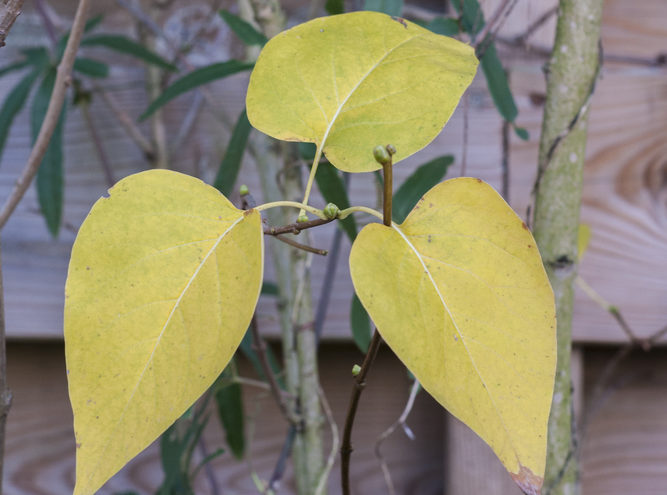
Generally speaking, lilacs are incredibly hardy plants that rarely freeze to death when planted in the ground. For most garden varieties, you don’t need to worry about fancy winter gear like fleece covers. However, it’s a totally different story if you’re growing your lilac in a pot. Even the toughest lilac can face some trouble if it’s exposed to the elements without a little help.
Prevention: How to Keep Your Lilac from Freezing
Even though potted lilacs are technically winter-hardy, they can’t handle sustained freezing temperatures quite as well as their cousins in the ground. The roots are the most vulnerable part. Whatever you do, don’t leave your pot sitting directly on the cold pavement or frozen soil! Give it some insulation by propping it up on a sheet of Styrofoam or a wooden pallet to break that contact with the freezing ground.
You can also wrap the pot itself in bubble wrap or a thick layer of garden fleece for extra warmth. If you have a smaller pot, try the “pot-in-pot” trick: place it inside a larger container and fill the gap with insulating materials like straw, dry leaves, or mulch. Top off the soil with some evergreen boughs, and you’re good to go! If a record-breaking cold snap is headed your way, you can even wrap your garden lilacs in fleece and mulch the base with brushwood just to be safe.
Damage Control: How to Save a Frozen Lilac
The real danger for lilacs is that “weather whiplash” we often get in early spring—sunny, mild days followed by freezing nights. When the sun comes out, the lilac thinks spring has arrived and starts pumping sap. If a late frost hits that night, the plant can suffer from dieback.
To see how much damage was done, wait for a frost-free day and do the “scratch test.” Gently nick the bark of the branches with your thumbnail or a knife. If it’s green underneath, it’s still alive! If it’s brown and brittle, that part is toast. Grab your pruning shears and carefully cut back the dead wood. It’s also a good idea to give the healthy branches a light trim to encourage the plant to start fresh with new growth.
To give your lilac an extra boost, try enriching the soil. Mix in some horn meal and compost or high-quality garden soil to provide the nutrients it needs to bounce back. After that, it’s a waiting game. Your lilac might need a little time to fully recover, so be patient with it!