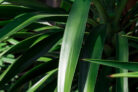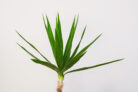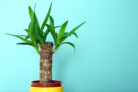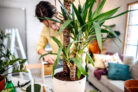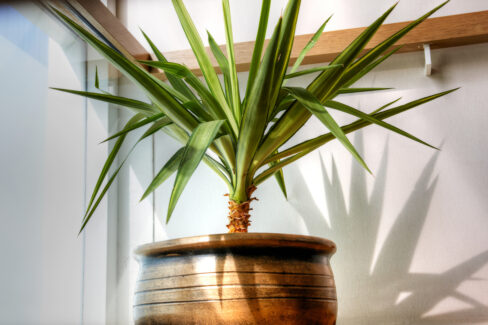
Even though most Yucca species (often called Adam’s Needle or Spanish Bayonet) are total sun-worshippers, they can actually get a nasty sunburn if they aren’t acclimated properly. Just like us, they need a little time to build up a “base tan” before spending all day in the heat.
How It Happens
The culprit is, of course, direct UV rays. To keep your Yucca looking its best, there are a few scenarios where you need to be extra careful before moving it into a sunny spot.
Be Careful After Buying
Before you plop that brand-new Yucca into a scorching garden bed or out on a bright patio, think about where it lived at the store. If it was sitting in a climate-controlled greenhouse or a dim corner of a garden center, it isn’t ready for full-blast sun yet. This applies to plants going out on the balcony and even those sitting behind a very bright south-facing window.
Be Careful After Winter Break
If you live in a climate where your Yucca spends the winter indoors, it’s likely been in a “bright” spot—but “bright” indoor light is nothing compared to the real deal. Once spring rolls around, your plant needs a slow introduction to the unfiltered sunlight on your patio or deck after its winter dormancy.
Be Careful Near Open Windows
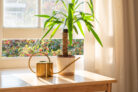
Even indoor Yuccas aren’t totally safe! If you leave a window or balcony door wide open for hours, the glass no longer filters the UV rays. That direct, raw sunlight hitting the leaves for the first time can cause burns surprisingly fast.
Spotting the Signs
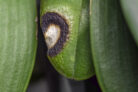
Identifying Yucca sunburn is pretty straightforward since it usually shows up right after a move to a sunnier spot. Keep an eye out for:
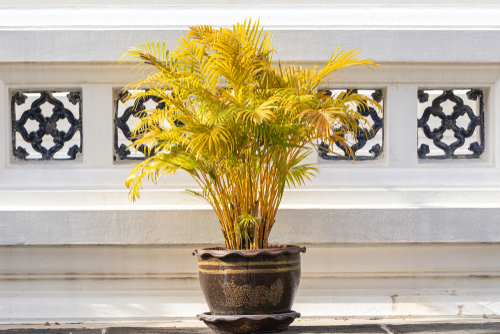
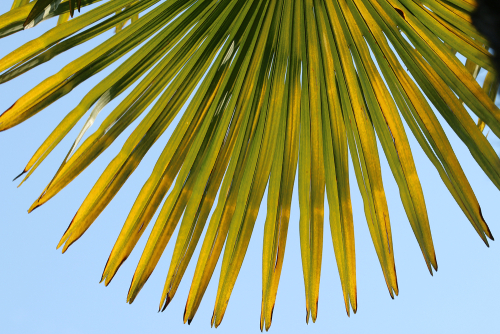
- Discolored leaves (they’ll look washed out, white, or develop brown tips).
- Damage that appears in just a few hours during the peak of summer.
What Should You Do?
Unfortunately, once a leaf is scorched, it won’t turn green again. However, those damaged leaves aren’t actually hurting the rest of the plant. Here’s the game plan:
- Leave the damaged leaves alone for now.
- Cutting them off creates “wounds” that can stress the plant out even more while it’s trying to recover.
To save the plant itself, move it into a shady spot immediately so it can catch its breath. Once it looks stable, you can slowly re-introduce it to the light—moving it from shade to partial shade, and eventually back into the sun once it has toughened up.