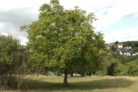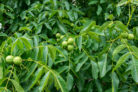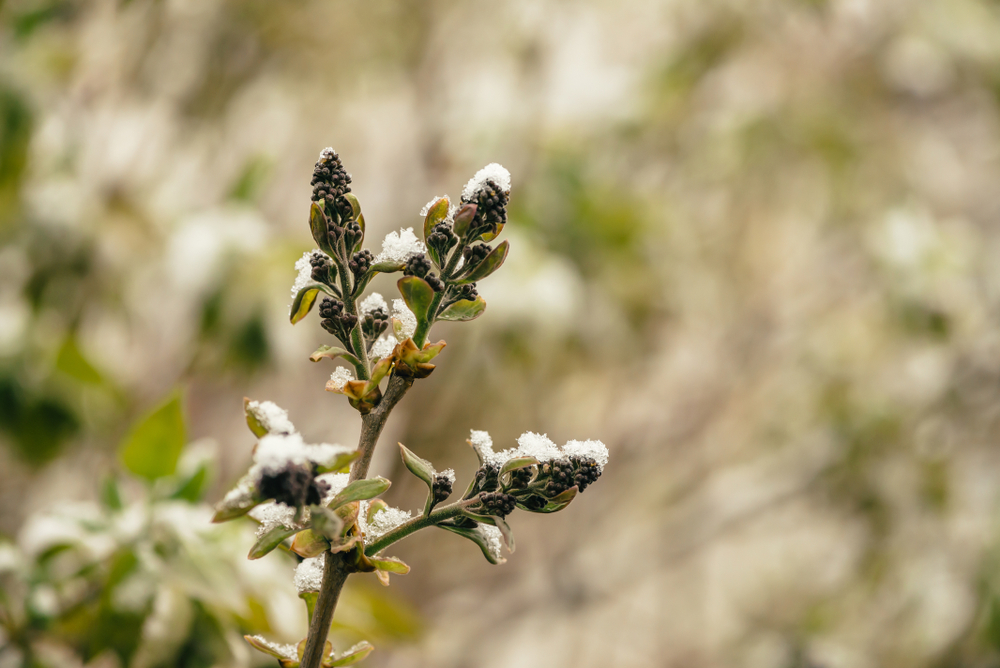
Since walnut trees originally hail from warmer climates, they can be pretty sensitive to the cold. If you’ve got young trees in your yard, you’ll definitely want to give them some extra TLC to prevent frost damage. Unfortunately, once a walnut tree takes a hard hit from a freeze, saving it isn’t always a guarantee.
How to Spot Frost Damage
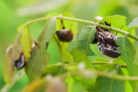
You can usually tell if your walnut tree has frost damage by looking for two telltale signs:
- Leaves that have turned completely black.
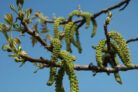
- Flowers that look brown or shriveled and black.
Can You Save a Frozen Walnut Tree?
If your tree is showing these symptoms, your next steps depend on how bad the damage is. A healthy, vigorous walnut tree can usually bounce back from a light frost on its own. However, if the freeze was deep and severe, it can unfortunately lead to the death of the entire tree.
What to Do for Frozen Leaves
When leaves freeze, it’s a serious situation because the tree relies on them to survive. My best advice? Don’t go grabbing the pruning shears just yet. Cutting off the frozen leaves creates open wounds that a stressed tree just doesn’t need. Let the damaged leaves fall off naturally on their own.
If the damage isn’t too extreme, you should see new leaf buds starting to pop up after a few weeks. Make sure to water and fertilize your tree regularly during this time—it needs all the nutrients and energy it can get to push out that new growth. If you see green returning, your tree is on the mend! If no new leaves appear after several weeks, the frost damage might have been too much for the tree to handle.
If you have a grafted walnut tree, the approach is a bit different. In this case, you should trim away the frozen leaves but leave the stems (petioles) intact. Within a few days, new shoots should emerge from the secondary buds. Secure the main leader with some garden twine and wait a few weeks before pruning away the damaged shoot entirely.
What to Do for Frozen Blossoms
If the blossoms on your walnut tree freeze, you’re likely looking at a “lost year” for your nut harvest. However, there is a silver lining: if the frost only hit the male flowers (which usually bloom first), there’s still a glimmer of hope for a fall harvest. If there’s another walnut tree nearby with healthy male flowers, it can cross-pollinate your tree’s female blossoms—assuming they survived the cold, too!
Preventing Frost Damage
An ounce of prevention is worth a pound of cure! Young trees and those growing in pots or containers need extra protection during the winter. If you can, move potted trees to a frost-free spot. For trees planted in the ground, try wrapping them in burlap or garden fleece. Adding a thick layer of mulch around the base of the trunk is also a great way to keep the roots from freezing and drying out.