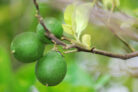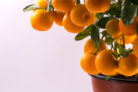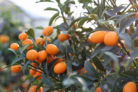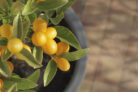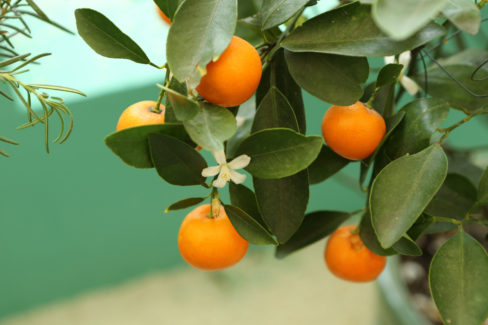
Calamondin oranges (often called “Mini-Oranges”) are becoming a huge hit for indoor spaces and balconies alike. They’re a total favorite for citrus newbies because they’re way more forgiving than your average lemon or lime tree. But even with an easy-going plant, it can be a little scary when you start seeing leaves dropping. If your tree is looking a bit bare, it’s time to do some detective work.
3 Common Reasons for Leaf Drop
- Not enough light
- Waterlogged soil (Soggy feet!)
- Bone-dry roots
When It’s a Light Issue
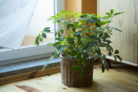
One of the most common reasons a Calamondin starts dropping leaves is simply a lack of sunshine. Like most citrus varieties, these little guys crave heat and bright light. During the summer, your best bet is a sunny spot out on the balcony or patio. When winter rolls around, move your tree to a south-facing window or a bright, heated sunroom. If it’s stuck in a dark corner, those leaves will start falling off before you know it.
Leaf Drop from Overwatering
If your tree is getting plenty of light but is still losing leaves, you might be dealing with “soggy feet.” Take a close look at the root ball and think about your watering routine. While these plants need a steady drink during the hot summer months, you really need to scale back as the temperatures drop.
If the soil is already waterlogged, let the root ball drain out completely. Your best move is to remove all that wet, old soil and trim away any mushy, rotted roots. Repot your tree in fresh citrus potting mix—I like to mix in some sand, grit, or coconut coir to make sure the drainage is top-notch.
When the Roots Are Too Dry
On the flip side, sometimes leaf drop is just a cry for a drink. This happens a lot during the winter months when it’s easy to forget about the plants we’ve moved inside. If the root ball has completely dried out, give it an emergency soak in a bucket of filtered or rainwater. Keep it submerged until you stop seeing air bubbles floating to the surface. This ensures the water actually reaches the core of the roots.