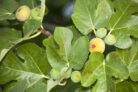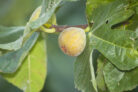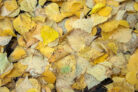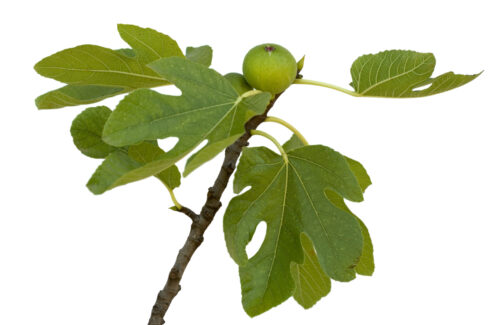
It’s totally normal for fig trees to drop their leaves in the fall, but if your tree starts shedding during the growing season, it’s definitely a red flag. Usually, it’s a sign of a simple care mistake that’s easy to fix, though sometimes a plant disease might be the culprit.
Nutrient Deficiencies
If your fig tree isn’t getting the nutrients it needs, you’ll usually notice the leaf edges starting to curl before they fall off. If you see that happening, it’s time to give your tree a good feeding.
When it comes to fertilizing your fig tree, a staged approach works best. Start with an organic base fertilizer in the spring to jumpstart new growth and lush foliage. Once you see the first flower buds appearing, switch to a fertilizer with a bit more potassium. Right before the fruit sets, give it one more round of organic fertilizer with a high potassium content to help those figs develop.
Thirsty Trees
Under-watering is one of the most common mistakes gardeners make with figs. While these trees are pretty forgiving if the soil gets a little dry once in a while, prolonged drought will trigger a survival mechanism: the tree drops its leaves to conserve whatever moisture it has left.
While watering a fig tree isn’t too demanding, they really need consistent moisture during the flowering and fruiting stages. If they’re too dry during this time, you’ll end up with fewer flowers, and the tree might even drop its young fruit early.
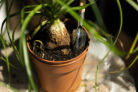
The goal is to keep the soil consistently moist but not soggy. A good rule of thumb is to let the top inch or two of soil dry out, but make sure it’s still damp underneath. Also, watch out for standing water! This is a big issue for potted figs—always make sure to empty any excess water from the saucer so the roots don’t rot.
Diseases and Pests
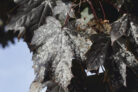
There are a few fungal issues that can lead to leaf loss. One specific problem to watch for is the Fig Mosaic Virus. This actually presents as a fungal-like infection where the leaves develop pale, mottled spots. Don’t confuse this with chlorosis, which turns the entire leaf a uniform yellowish color.
You might also run into rust fungi, which turn the leaves brown before they eventually fall off. Both of these issues thrive in high humidity. If you have a potted fig and it’s been raining non-stop, try moving it under a porch or roof. For trees planted in the ground, you can try to provide some overhead cover if possible. Regardless of the cause, always prune off and throw away any infected leaves to keep the disease from spreading to your other garden favorites.