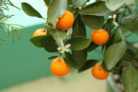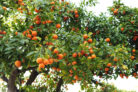
If you’re looking to dive into the world of citrus gardening, a Calamondin tree is your best bet. They’re surprisingly easy to care for, and even pruning is a breeze once you know the ropes. Here’s a quick guide on how to trim this lovely cross between a kumquat and a mandarin.
Pruning Basics: A Quick How-To
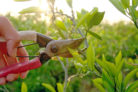
Pruning your “mini orange” is essential if you want to prevent pests and diseases or if you’re looking to shape your little tree. Just a heads-up: pruning won’t actually force the tree to produce more fruit or flowers. When you’re ready to grab your shears, here’s the game plan:
- The best time to prune is late winter, right before the new spring growth starts.
- Cut away any dead, diseased, or damaged branches, as well as those infested with pests, right back to the branch collar.
- If you see branches crossing or rubbing against each other, remove one of them.
- Snip off any branches growing inward toward the center of the tree.
- For branches that have grown too long, trim them back just above an outward-facing bud.
- Keep an eye out for “water sprouts” (those fast-growing vertical shoots) and prune them off whenever you see them throughout the year.
What You Need to Know About Blooms and Leaves
New flowers always pop up at the tips of young shoots. Keep in mind that the more you trim these back, the fewer blossoms you’ll see. Also, if your citrus tree suddenly starts dropping leaves, don’t reach for the shears just yet! Often, when a Calamondin loses its leaves, it’s just a reaction to a stressful wintering environment.
New leaves can grow back on those same branches once the growing season kicks in. You should only cut back leafless branches if the loss was caused by extreme drought or root rot—in that case, trim them back until you hit healthy, green wood.
Post-Winter Repotting
After winter is over, it’s a great idea to give your tree a fresh start by repotting it right after you prune. Choose a pot that is no more than two inches (about four centimeters) wider than the current one. If the pot is too big, your Citrus mitis will spend all its energy growing roots to fill the space, leaving the leaves, flowers, and fruit to take a backseat.