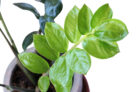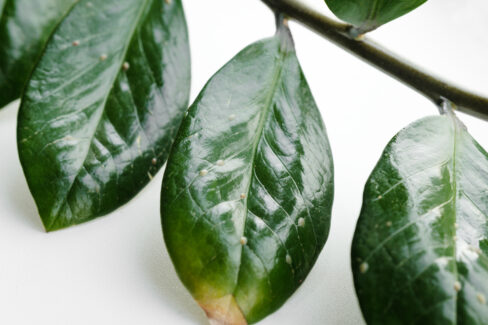
The Zamioculcas zamiifolia—or as most of us call it, the ZZ plant—is a total rockstar in the world of houseplants. It’s famous for being incredibly low-maintenance and tough as nails. Usually, if you give it the right care, you won’t have to worry about pests or diseases at all. But if your ZZ starts looking a little under the weather, you’ll want to jump into action quickly to get it back on track.
What’s Making Your ZZ Plant Sick?
Most of the time, when a ZZ plant struggles with pests or disease, the root cause is its environment. If the lighting isn’t right or the care routine is a bit off, the plant becomes stressed and more vulnerable to issues.
Common Care Mistakes That Lead to Trouble
Let’s be honest: most “diseases” in ZZ plants are actually just reactions to how they’re being treated. The most common culprits include:
- Putting it in the wrong spot (lighting is key!),
- Temperatures that are too chilly or inconsistent, and
- Getting a bit too heavy-handed with the watering can or fertilizer.
Common Symptoms to Watch For
Keep an eye out for these “red flags” that something is wrong:
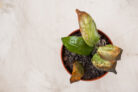
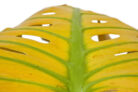
- Spots appearing on the leaves,
- Parts of the plant (or the whole thing) starting to wilt,
- Stunted growth where the plant just stops doing its thing.
Fungal infections are also usually triggered by care mishaps. You’ll know you’re dealing with fungus if you see weird coatings on the leaves or stems, dark leaf spots, or unusual growths.
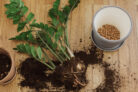
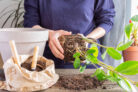
The most common “ZZ killer” is stem rot, which is almost always caused by overwatering. The stems will turn brown and eventually get mushy and gross. If this happens, don’t panic! You can usually save the plant by cutting away the rotten parts and repotting it into fresh, dry soil.
Prevention: The “Check-Up” Routine
The best defense is a good offense. Get into the habit of checking your ZZ plant regularly for uninvited guests. Pests like aphids, scale, or spider mites are much easier to handle if you catch them early. Don’t forget to peek inside the leaf joints and on the undersides of the leaves—that’s where they love to hide! Look for white fuzzy residue, yellow or brown spots, or leaves that look like something’s been snacking on them.
How to Fight Back Against Pests and Disease
If you do find a problem, you don’t need to rush out and buy harsh chemicals. There are plenty of DIY remedies that work wonders. Not only are these better for the environment, but they’re also way cheaper! A simple homemade spray made of water and a little bit of neem oil or insecticidal soap is incredibly effective against fungi and pests like aphids.