Sweet potatoes are surprisingly low-maintenance guests in the garden. In fact, they’re so easy to care for and propagate that even if you’re a total gardening newbie, you’ll have great success. Not only do these morning glory relatives provide delicious root veggies, but they also look stunning in the garden with their lush, trailing vines.
Starting Your Pre-Culture in February
Unlike regular potatoes, we don’t usually plant “seed potatoes” directly in the ground. While some folks try planting sprouted sweet potatoes they bought at the store, the yields are usually pretty disappointing. Instead, the secret to a big harvest is planting “slips”—these are either cuttings taken in the fall and overwintered, or new shoots grown from a tuber in the spring.
Overwintering sweet potatoes as tubers is a great move because they don’t take up much space and aren’t very picky about storage. Come February, it’s time to pull them out of storage and wake them up!
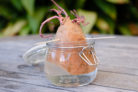
To get those shoots (slips) growing, you can place a tuber in a jar of fresh water or plant it halfway in a pot of soil. Once the new shoots reach about 4 inches (10 cm) long, gently snap them off the mother tuber and pop them into their own small pots. Keep these young plants moderately moist for the first few weeks while they establish roots.
When to Plant
Sweet potatoes are big fans of the heat and absolutely hate the frost. You shouldn’t plant them outdoors until mid-May (or whenever the danger of frost has completely passed in your area). One late cold snap can easily kill those tender shoots.
If you’re planning on container gardening, you can get a head start a few weeks early. Just make sure the pots stay in a bright, frost-free spot until the weather warms up for good.
Prepping the Soil
Whether you’re planting in a garden bed, a container, or a raised bed, sweet potatoes need nutrient-rich soil. These plants are “heavy feeders,” meaning they eat up a lot of nutrients. Because of this, they play best with companion plants that are light feeders.
Great neighbors for sweet potatoes include:
- Dill
- Chamomile
- Swiss chard
- Lettuce
Before planting, mix in some slow-release fertilizer like mature compost or well-rotted manure. A bit of horn meal can also provide a nice nitrogen boost. If you’re planting in the ground, make sure the soil is loosened deeply and has a fine, crumbly texture. If you’re going the container route, ensure your pots have plenty of drainage holes to prevent soggy feet.
Getting Them in the Ground
For container growing, aim for a pot that holds at least 15 gallons (60 liters) of soil. Black pots are actually a pro-tip here—they soak up the sun and keep the roots nice and toasty, just the way sweet potatoes like it. Pick a spot that gets plenty of sun; full sun is their absolute favorite.
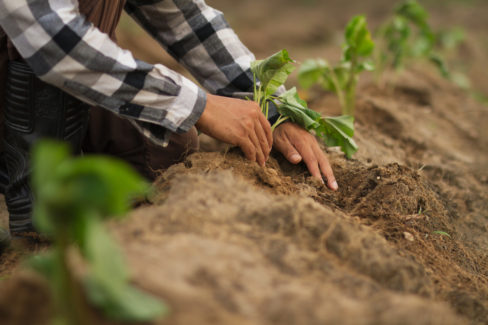
The planting process is simple: dig a hole slightly larger than the root ball. Gently press the soil around the plant, being careful not to damage the roots, as these are what will eventually thicken into those yummy tubers.
If you’re planting several in a bed, space them about 20–24 inches (50–60 cm) apart. Sweet potatoes grow long vines that like to root themselves into the ground as they crawl. This helps the plant soak up even more water and nutrients, leading to bigger tubers. If you’re growing them in pots, you’ll need to make up for this by being extra diligent with watering and fertilizing. Keep the soil consistently moist but not waterlogged.
Care and Maintenance
As long as you keep them fed and watered, sweet potatoes are pretty chill. They prefer organic fertilizers over mineral ones (so you can skip the rock dust).
Good fertilizer options include:
- Horn meal
- Organic liquid fertilizer
- Plant teas (like nettle tea)
Nettle tea is a fantastic, budget-friendly DIY fertilizer. Just fill a bucket about 2/3 full with chopped nettles (you can use the whole plant). Fill the rest with water, cover it, and let it sit. Give it a stir every now and then. Once the plants have mostly decomposed, it’s ready! Dilute it 1:10 with water and feed your sweet potatoes every two weeks.
Pests and Diseases
Sweet potatoes are rarely bothered by diseases. In pots, the biggest risk is root rot from standing water, which can stunt growth and ruin your harvest.
In garden beds, the main “villains” are voles. These little rodents love munching on the roots. Interestingly, they seem to have a refined palate—varieties with purple skin or purple flesh are often their first choice, though they won’t turn up their noses at orange or white varieties if they’re hungry.
If you only have a few voles, you can often drive them away with strong scents. However, if you have a major infestation, you might want to stick to container gardening to keep your harvest safe!