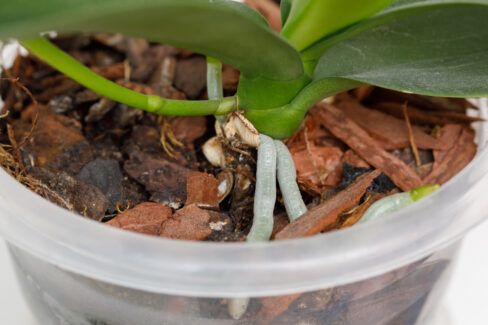
When you see the massive variety of specialized orchid mixes at the garden center, it’s pretty clear these exotic beauties are a bit picky about their “dirt.” And it’s true—orchids absolutely need the right substrate to thrive. If you try to grow them in standard potting soil, they just won’t make it.
Why standard potting soil is a no-go
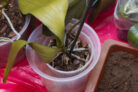
Most orchids you buy at the store already come in a special mix, usually made of bark chunks and maybe some inorganic bits like clay pebbles. But when it’s time for that first repotting, you’ll need to know exactly what your orchid needs to stay happy.
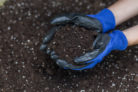
Standard potting soil is a total dealbreaker for orchids. Why? It’s way too dense. It packs down tightly, leaving almost no room for those unique aerial roots to breathe. Plus, regular soil holds onto moisture for a long time and dries out slowly. For an orchid, that’s a recipe for soggy roots, standing water, and eventually, mold or rot.
Orchids are epiphytes
To understand what they need, you have to look at their natural habitat. Most orchids are epiphytes, meaning in the wild, they grow on trees rather than in the ground. Their roots are designed to soak up humidity from the air, but they hate being waterlogged. They need plenty of “elbow room” for air circulation and a chance to dry out between waterings.
What’s inside a good orchid mix?
Because of how they grow, orchids need a very specific environment. You’ll find plenty of ready-to-use orchid substrates at the store, and they generally contain:
- Various sizes of bark (usually pine or fir bark).
- Organic extras like moss, coconut fiber, or peat.
- Inorganic materials like expanded clay (LECA), zeolite, or lava rock.
The different sizes of bark chunks keep the mix loose and airy so the roots can breathe. Organic additives like coco coir or sphagnum moss provide nutrients and minerals, while the inorganic bits like clay pebbles or lava rock act as tiny reservoirs that hold just the right amount of moisture without making things swampy.
Mixing your own substrate
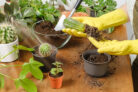
The easiest route is definitely grabbing a pre-mixed bag of orchid substrate. But, if you’ve got the ingredients on hand, you can totally DIY your own blend! The key is getting the ratio right. Your number one goal should be a loose, chunky texture. You want a mix that gives the roots plenty of air and moisture, but lets any excess water drain away instantly.