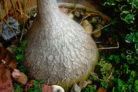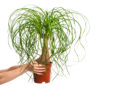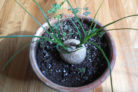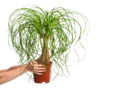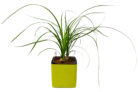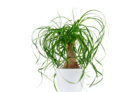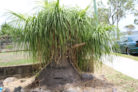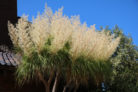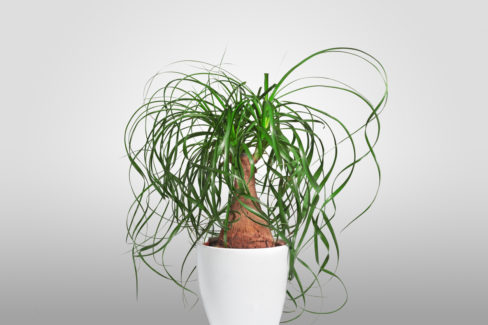
Tough, low-maintenance, and totally chill, but with a look that makes a serious statement—that’s the Ponytail Palm (botanical name *Beaucarnea recurvata*) in a nutshell. But if you want your plant to actually live up to that “easy-going” reputation, you have to start with the right foundation. So, what kind of soil does a Ponytail Palm actually need to thrive in a pot?
Substrate Essentials
Whether you decide to buy a pre-mixed bag or channel your inner scientist and mix your own, your Ponytail Palm’s soil needs to check a few specific boxes:
- Loose and well-draining (the ultimate defense against root rot)
- On the drier, fresher side
- Low in nutrients (these guys aren’t heavy feeders!)
Buying the Right Soil
If you’re headed to the garden center, you don’t necessarily need a bag labeled “Ponytail Palm.” You can find the perfect properties in these common mixes:
- Cactus soil
- Succulent mix
- Palm soil
Standard Potting Soil
Can you use regular old potting soil? Technically, yes—as long as it’s nice and airy. However, standard soil is usually a bit too rich and dense for these desert natives. To make it work, I recommend “cutting” it with other materials to improve drainage and lower the nutrient density. Try mixing in one part of any of the following:
- Coarse sand
- Clay granules
- Volcanic perlite
- Coconut coir
If you use a fresh mix, hold off on fertilizing for at least twelve months.
DIY Soil Recipes
If you really want to pamper your plant, mixing your own substrate is the way to go. Here are two of my favorite “recipes” for a happy Ponytail Palm:
The Cactus Blend
For a homemade cactus-style mix, combine:
- 50% Potting soil (or seed-starting mix)
- 15% Peat moss (or coconut coir)
- 15% Dry loam (or clay, crushed expanded clay, or lava rock)
- 20% Quartz sand (avoid construction or play sand)
Aim for a neutral pH level. This mix is plenty rich enough that you won’t need to fertilize for the first year.
The Compost Mix
If you have a compost pile, make sure you’re using well-aged stuff (three to four years old). Mix it up as follows:
- 40% Compost (or a 50/50 split of compost and garden soil)
- 30% Quartz sand (again, skip the play sand)
- 15% Peat moss (or coconut coir)
- 15% Dry loam (or clay)
Just like the other mixes, wait at least a year before you even think about adding fertilizer.
Using Clay Granules (like Seramis)
Clay granules are a great alternative. These porous little bits of clay act like a sponge, soaking up water and then slowly releasing it to the roots as they grow into the granules. Because these granules are incredibly stable and don’t break down like organic soil, you won’t need to worry about fertilizing your Ponytail Palm nearly as often.