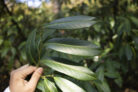
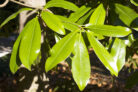
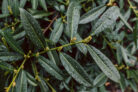
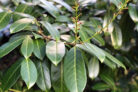
Cherry laurels are famously tough plants. Most garden pests won’t even give them a second look, but there is one major exception you need to watch out for. The black vine weevil can cause some serious trouble for your laurels. Here’s how to spot this little troublemaker and get your garden back on track.
The One Pest That Actually Bothers Cherry Laurels
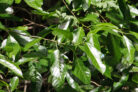
The black vine weevil has a very specific way of eating: it munches half-circle notches right out of the edges of cherry laurel leaves. Unlike other bugs that leave “shot holes” in the middle of the leaf, these guys eat from the outside in. While the notched leaves look a bit messy, that’s actually the least of your worries. The real danger lies underground. The weevils lay their larvae in the soil, and those grubs feast on the laurel’s roots. If they eat their way to the main root, the entire plant can die. Definitely not something you want to ignore!
To deal with the problem, you first need to be sure of what you’re looking at. Since these beetles are nocturnal, you usually won’t see them during the day—only the damage they leave behind. If you want to catch them in the act, grab your smartphone or a flashlight and head out to the garden after dark. That’s when you’ll find them hanging out on the foliage.
How to Get Rid of Vine Weevils
There are two main ways to fight back against the black vine weevil. First, you can set up simple traps. Place small containers filled with wood wool (excelsior) under your cherry laurels. The beetles will crawl inside to hide during the day, making it easy for you to collect and remove them, which helps thin out the population.
Control Methods:
- Catch beetles using traps
- Use beneficial nematodes
The second method is even more effective because it goes after the root of the problem—literally. You can use beneficial nematodes to target the larvae in the soil. These are natural microscopic organisms that hunt down the weevil grubs. Don’t worry, they don’t eat anything else, so your plants and other “good” bugs are perfectly safe. Using nematodes is a natural, eco-friendly, and highly targeted way to protect your garden.