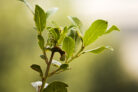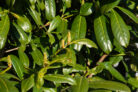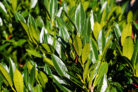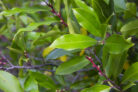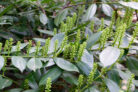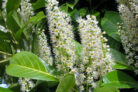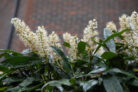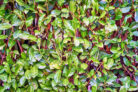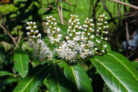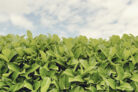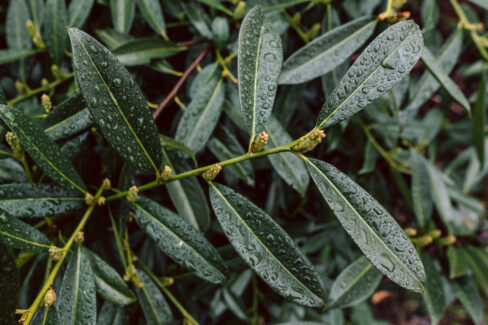
One of the best things about the cherry laurel is that gorgeous, lush green foliage. It’s a total game-changer if you’re looking for a privacy hedge that actually looks good year-round. But if you start seeing those leaves turn brown, it’s definitely time to take action. Don’t worry, though—I’ll walk you through exactly what might be going on.
Common Culprits for Brown Leaves
Usually, when a cherry laurel starts looking a bit crispy, it’s a sign that something is off with its “diet.” Both nutrient deficiencies and over-fertilizing can cause discoloration. Think of the leaves as a health monitor for the whole plant. For example, if the edges are turning brown and the leaves are dropping off, you might have been a little too generous with the fertilizer.
Here’s a quick checklist to run through:
- Have you over-fertilized or neglected feeding it lately?
- Could it be a potassium deficiency?
- Are there signs of vine weevils?
Soil quality is another big factor. These plants aren’t super picky, but they don’t like soil that is extremely acidic or too alkaline. And don’t rule out uninvited guests! Pests like the vine weevil love to snack on these leaves. Since they’re night owls, you might need to grab a flashlight after dark to catch them in the act.
How to Fix a Potassium Deficiency
If your cherry laurel is lacking potassium, you’ll notice the leaves browning from the outside edges inward. The good news? This is a pretty easy fix. You can give your plants a boost by using comfrey mulch (or tea) or even a little wood ash. Both are packed with potassium and will help get your hedge back on track.
Moving forward, just make sure your laurel is getting the consistent care it needs for its specific spot in your yard. Once the plant is healthy again, it’ll start pushing out that beautiful green growth we all love. As for those brown, withered leaves? Go ahead and prune them off. This helps the plant redirect its energy into growing fresh, vibrant new foliage!