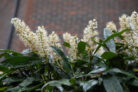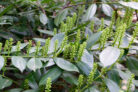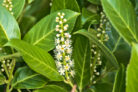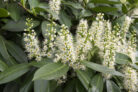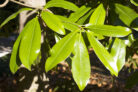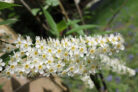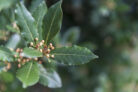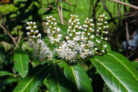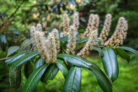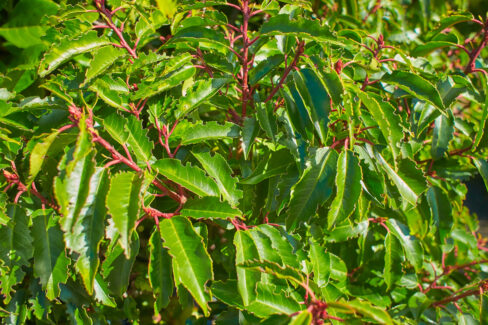
One of the best things about cherry laurel is that gorgeous, evergreen foliage. It’s exactly why so many of us plant it in our gardens in the first place! So, it’s definitely a bummer when you walk outside and notice something has been snacking on your beautiful leaves. If your laurel is looking a little worse for wear, here’s what’s likely going on and how you can fix it.
Meet the beetle causing the trouble
If you see notches missing from the edges of your leaves, you’re likely dealing with the Vine Weevil. This little beetle has a very specific way of eating—it munches on the leaf margins in a distinct, circular pattern. Unlike other pests that might poke random holes in the middle of a leaf, the Vine Weevil eats inward from the edges.
But here’s the real kicker: the leaf damage is actually the least of your worries. The adult beetles lay their larvae in the soil, and those grubs love to feast on cherry laurel roots. If left unchecked, they can damage the root system so badly that the plant eventually dies. That’s why it’s so important to take action as soon as you spot those tell-tale bite marks.
To confirm you’ve got a weevil problem, you’ll need to do a little detective work. These beetles are night owls! Grab a flashlight after dark and head out to your garden. If you spot small, brownish-black beetles hanging out on the leaves, you’ve found your culprit. The good news? You don’t need harsh chemicals to get rid of them.
How to get rid of Vine Weevils for good
There are two main ways to tackle Vine Weevils without turning your garden into a toxic zone. First, you can try a simple trap: place small containers filled with wood wool (excelsior) or straw at the base of your plants. During the day, the beetles will crawl inside to hide from the sun. You can then simply collect the traps and relocate the beetles far away from your laurels.
Here’s your battle plan:
- Set traps and manually collect the beetles.
- Introduce beneficial nematodes to the soil.
- Prune away the most damaged leaves to keep the plant looking tidy.
The most effective “secret weapon” is definitely nematodes. These are microscopic organisms that act as natural predators to the weevil larvae. You can usually buy them as a powder that you mix with water and pour onto the soil. The nematodes move through the earth, hunt down the larvae, and stop the problem at the source. They’re completely harmless to humans, pets, and the plants themselves, making them a gentle but super-effective way to save your garden.