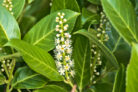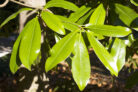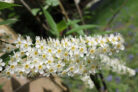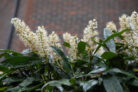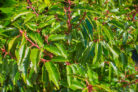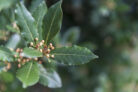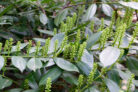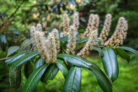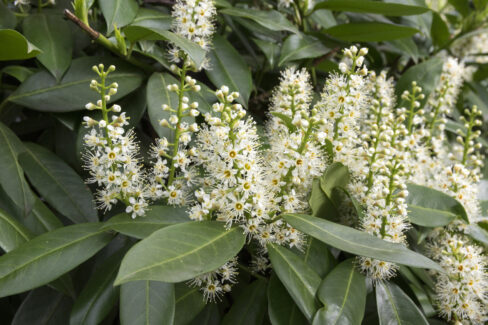
If you’ve recently added cherry laurel to your backyard, you might notice it’s quickly becoming the hottest hangout spot for ants. Many gardeners start to worry when they see these little guys swarming their shrubs—are they hurting the plant, or are they actually helping it out? Let’s dive into the unique relationship between ants and cherry laurels.
Extrafloral nectaries: Why ants find cherry laurel irresistible
If you take a close look at the underside of your cherry laurel leaves, you’ll spot tiny brown dots. Don’t panic—it’s not a fungus! These are actually specialized glands called extrafloral nectaries. The plant uses them to secrete a sweet, sugary sap. While this sticky stuff can sometimes lead to a bit of sooty mold, its main job is to act as a magnet for ants.
Ants don’t just stumble upon these sweet treats by accident. Once a scout finds a good source of sugar, it leaves a pheromone trail for its friends to follow. Before you know it, you’ve got a full-blown ant highway leading straight to your laurel.
A symbiotic relationship (with a catch)
If you notice your leaves looking a bit ragged, the ants usually aren’t the ones to blame. That sweet sap also attracts aphids. Ants actually “farm” these aphids for their honeydew, protecting them from natural predators so they can keep producing sugar. If you have a major infestation, the aphids—not the ants—are the real threat to your plant’s health.
If the ant and aphid party gets out of hand, you don’t need to reach for harsh chemicals right away. There are plenty of eco-friendly ways to manage pests. For example, applying sticky horticultural grease bands to the trunk is a gentle but effective way to stop ants in their tracks without introducing toxins into your garden’s ecosystem.