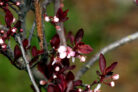
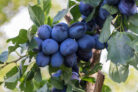
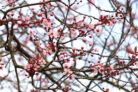
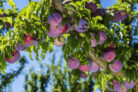
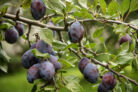
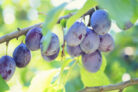
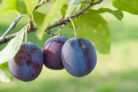
Cherry plums (Prunus cerasifera ‘Nigra’) are incredibly hardy trees. One of the reasons they’re so tough is their root system; they have deep taproots that pull moisture from deep in the earth, plus a network of shallower roots that soak up nutrients from the topsoil.
Deep, Stable Roots
If you’re thinking about adding a cherry plum to your backyard, you’ll want to be a little picky about where you put it. For starters, these beauties love a sunny to partially shaded spot. But here’s the kicker: the root system underground usually grows to be about as wide as the canopy above.
This can get a bit tricky if you’re planting near a property line—your neighbors might not be thrilled if your tree starts moving into their yard! If you’re working with a smaller garden, your best bet is to look for a dwarf variety that won’t take over the space.
Keep Growth in Check with Pruning
Generally speaking, cherry plums aren’t speed demons; they grow at a moderate pace of about 12 inches per year. If your tree starts getting a little too wild or sending out too many new shoots, you can keep it in shape with some strategic pruning. Just focus on trimming back those young, fresh shoots to maintain the size you want.
Don’t Forget to Trim the Roots
When you first buy a young tree or if you’re moving one to a new spot in your yard, it’s a good idea to balance the size of the root ball with the size of the canopy. Once you’ve picked out the perfect planting site, it’s time to give the roots a little TLC.
Here’s how to do it:
- After buying or digging up the tree, gently loosen the root ball.
- Aim for the root ball to be roughly the same width as the tree’s crown.
- Always use sharp, sterilized pruning shears to prevent disease.
- Before you water it in, carefully snip off any dead or shriveled root ends.
- Trim back any roots that are excessively long.
If you are transplanting an established tree, make sure to dig up the entire root ball. Just be careful—never cut into the thick main structural roots!
Removing Old Trees
Sometimes a garden makeover means an old cherry plum has to go. If you’re removing a well-established tree, I highly recommend getting it out mechanically (like with a stump grinder or backhoe). If you leave even small pieces of the root behind, they can actually sprout new shoots. These “suckers” can be a real headache for new construction or landscaping, and old roots take a long time to rot away on their own.