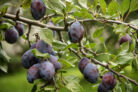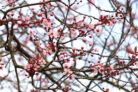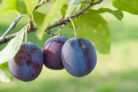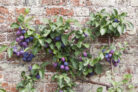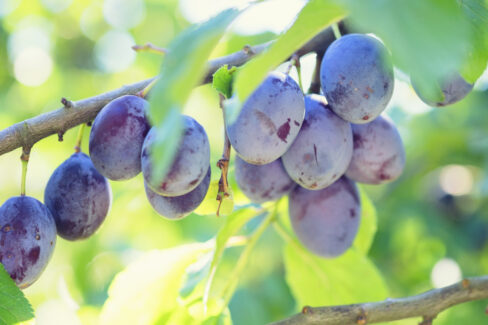
Generally speaking, the best time to give your cherry plum (Prunus cerasifera) a haircut is in the spring. A good pruning session ensures your tree stays healthy, keeps those gorgeous blossoms coming back year after year, and guarantees a bountiful harvest. However, there are times when a summer trim is exactly what the doctor ordered. Here’s the lowdown on how to keep your tree looking its best.
Making the Cut: Tips for Summer Pruning
After a big growth spurt, a cherry plum can start looking a bit thin or leggy during the summer months. Not only does this look a little messy, but it can actually make the tree more susceptible to disease. To fix this, you can remove entire branches to thin things out, just be sure to maintain the tree’s natural, decorative shape.
If you want your cherry plum to fill out and gain some height, try cutting back the main central leader. This redirects the plant’s energy into the side branches, helping you achieve that beautiful, full canopy we all love.
Here’s your quick checklist for a successful trim:
- The sweet spot for pruning is right after the blooming period.
- Always use sharp, sterilized pruning shears or loppers.
- Never go overboard—don’t cut off all the branches at once!
- Focus on removing branches that are growing inward toward the center.
- Stick to the basic shape of the crown (or hedge).
- Avoid leaving “stubs”; make clean cuts near the trunk or a main branch.
- For larger cuts, seal the “wound” immediately with tree resin or grafting wax.
Save the Radical Pruning for Spring
Sometimes a tree needs a total makeover, but a radical prune should really only happen in the spring. If you notice a lot of “water sprouts” (those thin, vertical shoots) popping up in the summer, you can trim those back in late August.
Dealing with Vertical Shoots
Pruning in late spring often triggers a bunch of new vertical growth. You can thin these out in early July. My advice? Remove the thick, aggressive branches and leave the smaller, weaker ones alone.
This specific type of pruning isn’t strictly necessary for the tree’s health, but it definitely keeps things looking tidy and manicured.
Managing Pests and Disease
If you’re dealing with a sick cherry plum, you can prune it at any time of year. In fact, if it’s a fungal infection, you need to act fast to stop the spores from spreading to the rest of your garden.
The golden rule here: never put diseased branches or fruit in your compost pile! Bag them up in plastic and toss them in the regular trash.
At the end of the day, regular maintenance is the best way to prevent pests and diseases. Plus, it helps that sweet fruit ripen to perfection!