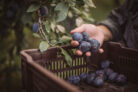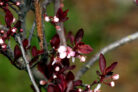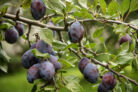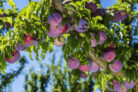
Let’s be honest: even the hardiest plants have their bad days. When it comes to the Cherry Plum (Blutpflaume), improper care can quickly open the door to diseases. Often, you’ll even see a “double whammy” where pests and fungi show up at the same time. The secret to saving your tree? Catching it early! I’m a big fan of using natural remedies whenever possible to get your tree back on its feet.
Plum Pocket Gall (Pocket Plum)
This fungal infection has some pretty unmistakable symptoms:
- The leaves dry out and drop off the plant entirely.
- You’ll notice the young shoots starting to thicken or look swollen.
Unfortunately, there aren’t many store-bought sprays that actually work against this one. Your best bet is to grab your shears and prune back those withered branches aggressively.
Shot Hole Disease
This is another fungal issue that’s easy to spot if you know what to look for:
- Small brown spots appear on the leaves.
- Eventually, those spots fall out, leaving the foliage looking like it was hit by a tiny shotgun.
Those spots are basically dead tissue. You’ll want to prune away affected leaves immediately. Also, make sure to rake up any fallen leaves from the ground—don’t toss them in your compost! Put them in the trash instead to stop the spores from spreading.
If the infection is caught early, you can find copper-based sprays or specific fungicides at your local garden center. For a proactive approach, spray the young shoots next spring just before the blooms open.
Monilia (Brown Rot)
A lot of tree troubles come down to two very similar types of fungi. If we’ve had a particularly rainy year or if your tree is in a spot with poor airflow, Monilia can show up in a couple of different ways. These spores are sneaky—they form long before the tree flowers and hitch a ride on the wind to spread across the wood.
Monilia Twig Blight
The giveaway here is dry, dying tips on your branches. If you leave them alone, the fungus will just keep creeping further down every year. You absolutely have to cut out the infected wood and get it far away from your garden. Pro tip: cut about 6 inches (15 cm) into the healthy-looking wood to make sure you got it all.
Fruit Rot
You’ll recognize this by brown, ring-shaped rot patterns on the fruit. If you see infected plums, pluck them off right away. To prevent this from happening in the first place, try spraying your tree with horsetail extract in the spring—it’s a fantastic natural booster for the tree’s “immune system.”
Aphids
If you only see a few aphids here and there, you don’t really need to do anything. But if they’re starting to take over, I recommend calling in the cavalry: ladybugs! Asian lady beetles are aphid-eating machines and will usually clear up the problem for you without any harsh chemicals.