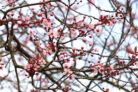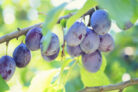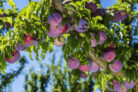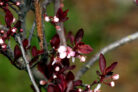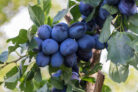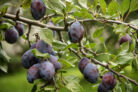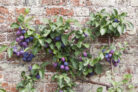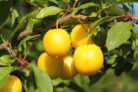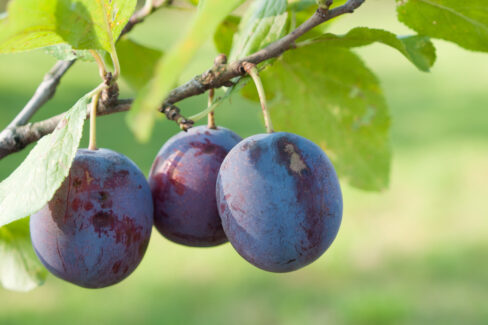
The cherry plum (or *Blutpflaume*) is a total showstopper in any spring garden. Every season, this low-maintenance ornamental tree puts out new growth and seeds, but here’s the catch: they aren’t always the best way to get a new, healthy tree. If you want to expand your garden, here is the lowdown on how to successfully propagate your cherry plum and what you need to keep in mind.
Growing from Seeds
When planted in the perfect spot, this hardy tree produces plenty of tasty fruits. Just a heads-up: the pits (seeds) are toxic and definitely shouldn’t be eaten. However, you can try using them to start new seedlings if you’re feeling patient!
Growing from Cuttings
You’ll also notice new shoots popping up on this ornamental shrub quite often. These can be used to grow young plants.
Here’s how to get those new plant babies started:
- Once the harvest season is over, cut young shoots at a diagonal angle.
- Let these cuttings overwinter in moist potting soil inside a frost-free garden shed or greenhouse.
These little guys usually start developing roots pretty quickly. By April or May, they should be ready to be planted out in your garden.
Just a quick pro-tip: Fruit trees grown directly from seeds or cuttings often won’t produce those iconic flowers. For that classic bloom, you’ll usually need a professional gardener to perform a proper graft.
Dealing with Suckers (Wild Shoots)
As your cherry plum gets taller and older, you might notice “wild” shoots or suckers. These can actually sap valuable nutrients away from the main tree and block out light and water.
These offshoots can be surprisingly stubborn to pull out of the ground, so here are a few tips:
- Make it a habit to remove these shoots regularly.
- Always use clean, sharp pruning shears.
- Prune the wild shoots with a clean, flush cut right against the trunk.
- Alternatively, you can try to carefully pull them out of the soil.
You’ll notice these small shoots at the base of the trunk look a bit different from the parent plant. They aren’t great for growing new trees, so clearing them out routinely is the best way to ensure your main tree stays vibrant and healthy.
Propagation through Grafting
Grafting is the go-to (though slightly more complex) method for propagating most fruit trees. Professionals usually handle this during June and August.
Most cherry plums you buy at the nursery are already grafted. Usually, you’ll find shallow-rooted varieties that have been grafted onto sweet wild plum stock. The most popular variety is the *Prunus cerasifera* ‘Nigra’—it’s a tall, stunning grower that looks fantastic as a standalone feature in your yard.